St. John's Wort(2001)
About St. John's Wort
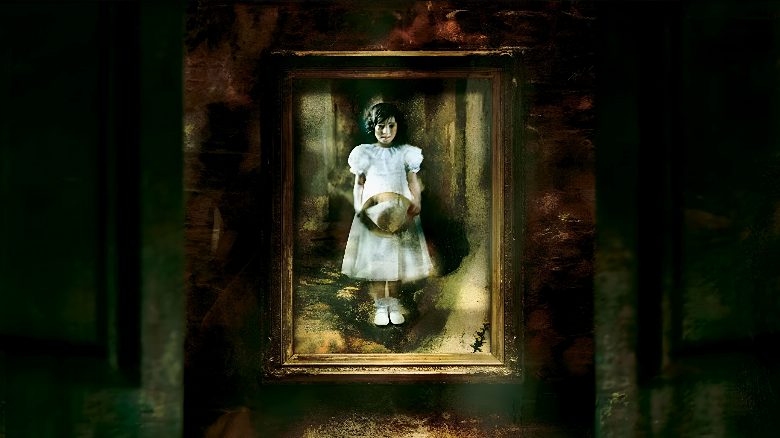
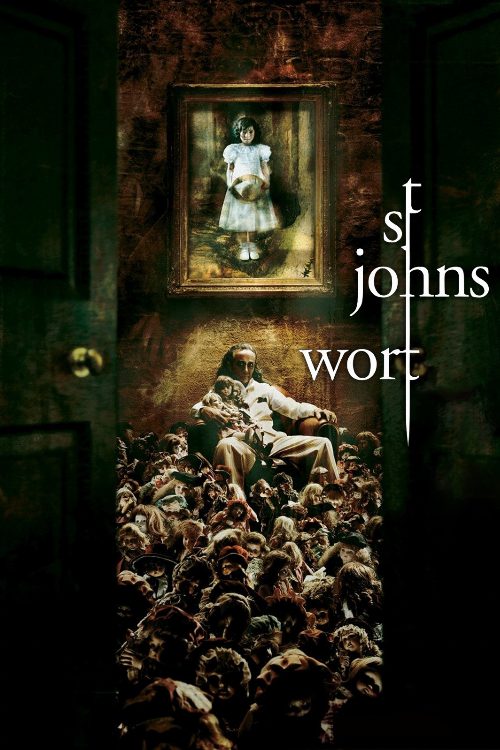
Nami has been creating artwork for a new video game based on images she's been seeing in her dreams. With one of the game producers, she travels out to an abandoned house that seems to match her visions. As they explore the old mansion, Nami begins to have more visions of a forgotten childhood, until at last she comes across a photo of twin infants, labelled "Nami" and "Naomi". As Nami and the producer go from room to room, an unseen person seems to be watching them from a hidden room.
The intersection of digital escapism and psychological trauma finds a chilling exploration in the Japanese cult classic St. John's Wort. Directed by Ten Shimoyama, the film functions as a bridge between the turn of the century fascination with virtual reality and the enduring appeal of the classic haunted house trope. At its heart, the story follows an artist whose creative process begins to bleed into her reality, using a video game project as a conduit for suppressed memories that manifest in the architecture of a decaying estate. While many contemporary horror films of that era leaned heavily into supernatural tropes, this work distinguishes itself by grounding its dread in the disconnect between modern technology and the weight of ancestral secrets.
The narrative rhythm benefits from a deliberate pacing that mirrors the experience of navigating a glitchy, surreal game environment. For audiences familiar with the broader landscape of Asian horror, which has often emphasized the psychological toll of isolation and the lingering presence of the past, this film offers a unique look at how personal identity can be fractured when childhood trauma is unearthed. It speaks to a specific aesthetic of the early 2000s, where the grainy, atmospheric tension of abandoned dwellings was often paired with a budding anxiety about how our digital creations might eventually expose our most private, repressed histories. It is a compelling watch for viewers who enjoy slow-burn narratives where the environment itself feels like a sentient participant in the unfolding mystery.
Ten Shimoyama demonstrates a keen eye for framing the domestic space as a site of potential horror, turning the mundane exploration of a mansion into a claustrophobic puzzle. The lead cast members navigate the shift from professional curiosity to existential terror with a restraint that keeps the focus on the internal unraveling of the protagonist. Those who appreciate films that prioritize mood over cheap jump scares will find much to admire in how the cinematography tracks the descent from creative inspiration into a nightmare of lost siblings and hidden rooms. By focusing on the blurred lines between art and life, the film captures a sense of unease that lingers long after the screen fades to black, solidifying its status as an intriguing relic of early J-horror that remains relevant for its thematic ambition.
Cast(8)





Crew
Production Manager
Director
Screenplay
Production Design
Director of Photography
Editor
Novel
Executive Producer
Similar Films