Dragon Ball Z: The Return of Cooler(1992)
About Dragon Ball Z: The Return of Cooler
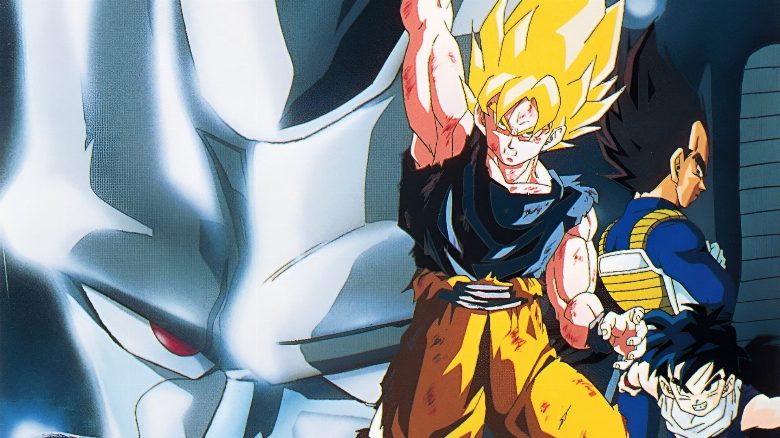
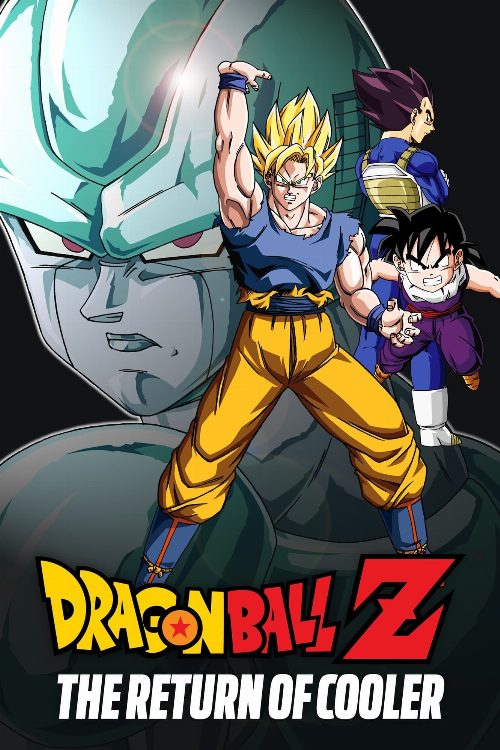
Cooler has resurrected himself as a robot and is enslaving the people of New Namek. Goku and the gang must help.
The enduring legacy of the Dragon Ball Z franchise is often defined by its ability to escalate stakes, and The Return of Cooler stands as a prime example of high-octane cinematic escalation. Released during the height of the series popularity in 1992, this film marks a rare instance where a villain successfully transitions from organic menace to a sophisticated, metallic threat. By shifting the setting to the verdant and mysterious landscapes of New Namek, the narrative forces the Z Fighters into a tactical struggle against an artificial adversary that feels significantly more calculated than the standard brawlers of the era. This entry functions as a bridge between the serialized television format and the grander scale of feature-length storytelling, providing fans with the kind of expansive, high-stakes combat that defines the peak of the franchise.
From a cultural perspective, the film resonates with the same kinetic energy that has made Japanese animation a global juggernaut, influencing generations of creators far beyond the borders of Japan. Its focus on the interplay between biological power and technological enhancement mirrors themes often explored in contemporary science fiction, yet it remains firmly rooted in the high-energy combat style that enthusiasts of Indian action cinema will find particularly familiar. Much like the celebrated stunt-heavy spectacles seen in recent Telugu or Tamil blockbusters, the film prioritizes visual intensity and the sheer spectacle of physical prowess. For those who appreciate the gravity-defying choreography and emotional stakes of modern superhero epics, this classic offers a foundational look at how to balance legendary heroics with an overwhelming, seemingly insurmountable antagonist.
Director Daisuke Nishio brings a seasoned hand to the project, having helped craft the visual language of the Dragon Ball universe during its most pivotal developmental years. His direction ensures that the pacing remains relentless, keeping the focus on the evolving relationship between the allies and their recurring foe. Viewers who enjoy stories centered on redemption, technological horror, or simply the thrill of watching iconic characters push their limits against impossible odds will find plenty to analyze here. It is an essential watch for anyone interested in the evolution of the shonen genre, serving as a reminder of why these characters remain at the forefront of pop culture decades later. By emphasizing the transformation of the villain into a more complex entity, the film distinguishes itself as a standout chapter that successfully elevates the standard formula into something far more visually daring and thematically dense.
Cast(13)