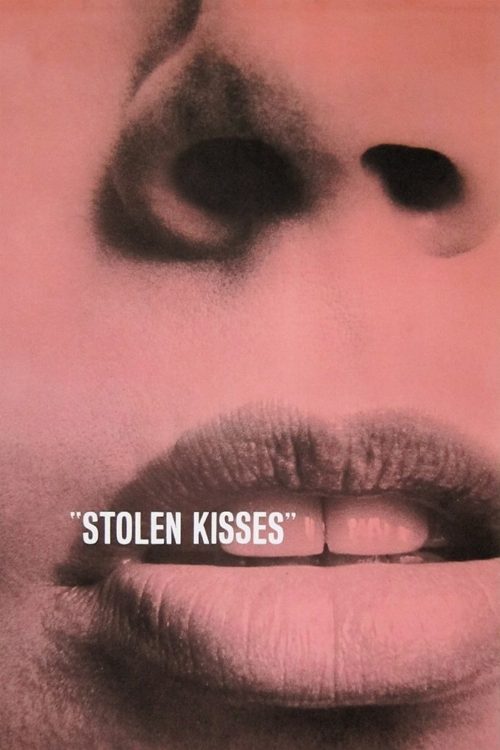
Stolen Kisses(1968)
“Antoine knows what he wants to do ... his problem is doing it.”
About Stolen Kisses
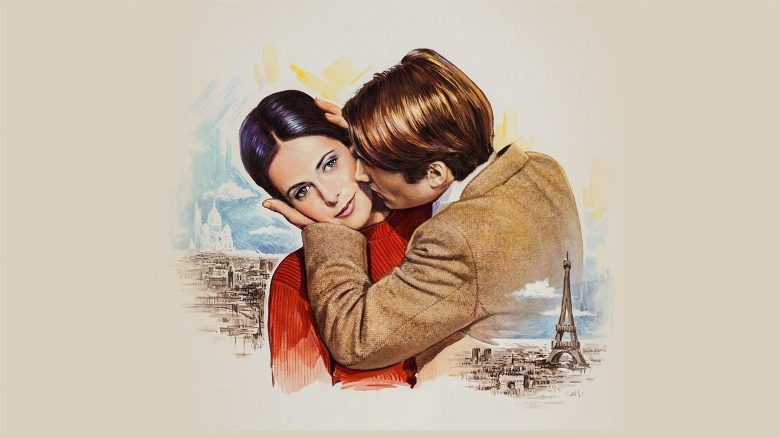
The third in a series of films featuring François Truffaut's alter-ego, Antoine Doinel, the story resumes with Antoine being discharged from military service. His sweetheart Christine's father lands Antoine a job as a security guard, which he promptly loses. Stumbling into a position assisting a private detective, Antoine falls for his employers' seductive wife, Fabienne, and finds that he must choose between the older woman and Christine.
Francois Truffaut captured the essence of youthful uncertainty with such delicate precision in Stolen Kisses that the film remains a quintessential touchstone for coming of age narratives across global cinema. As the third installment following the iconic Antoine Doinel, this French masterpiece serves as a bridge between the raw rebellion of the earlier French New Wave and the more polished, introspective character studies that defined the later career of its visionary director. Jean-Pierre Leaud continues his career-defining portrayal of the titular character, projecting a brand of nervous, wide-eyed earnestness that resonates just as deeply with modern audiences as it did in the late sixties. By placing his protagonist in a series of mismatched professional roles, from a botched stint as a night watchman to an accidental career in private investigation, Truffaut highlights the universal struggle of transitioning from the structured life of military duty into the chaotic, often absurd reality of adulthood.
The charm of the movie lies in its rejection of traditional romantic tropes, choosing instead to explore the messy intersections of desire and loyalty. While Indian cinema audiences often gravitate toward grand, sweeping expressions of love, the nuanced, understated approach found here offers a refreshing counterpoint. The narrative tension centers on the emotional tug of war between the stable, familiar affection of Christine and the mysterious, fleeting allure of a client’s wife. This dynamic is handled with a light, observational touch that feels remarkably grounded. It is a film for viewers who appreciate character-driven storytelling where the plot serves as a canvas for personality rather than a series of high-stakes conflicts. The cinematography captures the streets of Paris with an intimacy that feels like a quiet love letter to the city, perfectly mirroring the protagonist's own wandering spirit.
Even for viewers accustomed to the high-energy song-and-dance spectacles of contemporary Telugu or Hindi cinema, there is a profound appeal in the quiet, idiosyncratic rhythm of this work. It belongs to a specific era of European filmmaking that prioritized emotional vulnerability over spectacle, making it an essential watch for cinephiles interested in the evolution of the modern romantic dramedy. The chemistry between Leaud and Claude Jade provides a grounded anchor for the film, elevating what could have been a series of episodic mishaps into a cohesive, bittersweet exploration of what it means to search for one's place in the world. Whether you are a dedicated fan of the French New Wave or simply someone who enjoys stories about the inevitable stumbles that accompany the pursuit of love and professional identity, this film remains as relevant and endearing as ever.
Cast(27)