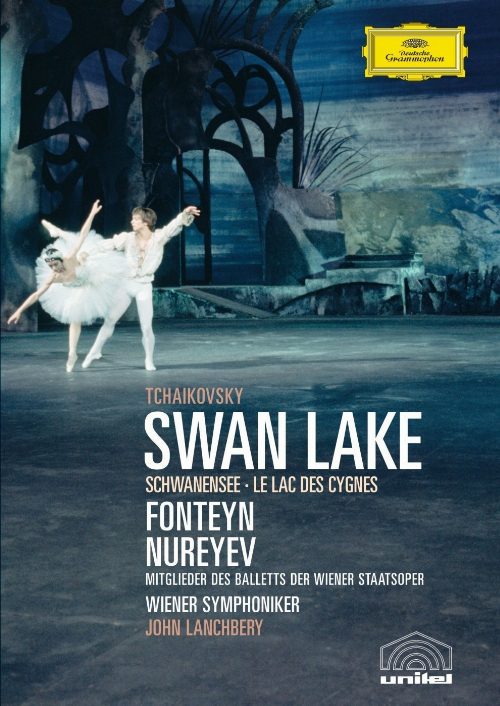
About Swan Lake
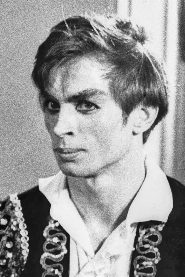
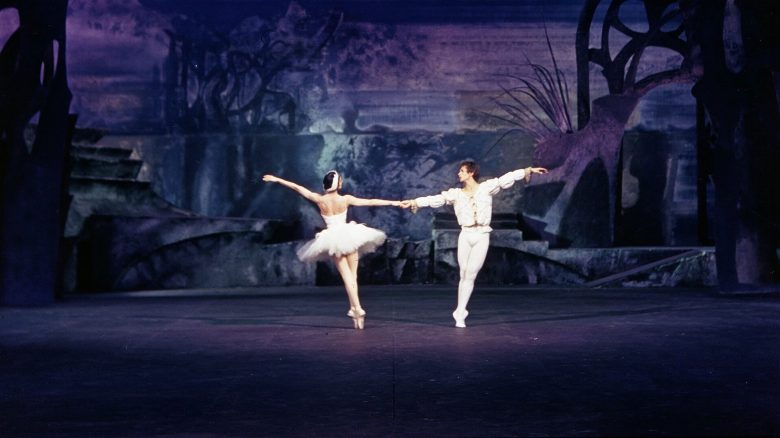
Perhaps the most popular ballet video ever released, this version of Tchaikovsky's beloved work stars one of the most famous classical dance partnerships of all time, Rudolf Nureyev and Margot Fonteyn. Nureyev choreographed this production for the Vienna State Opera Ballet. Two icons of 20th-century dance in magnificent form. Ballet authority John Lanchbery, former music director of the Sadler's Wells and Royal Ballet companies, as well as of American Ballet Theatre and Australian Ballet, conducts the Vienna Symphony Orchestra in Tchaikovsky's enchanting score.
Watching the 1966 production of Swan Lake is less like viewing a standard motion picture and more like witnessing a historical artifact of human grace captured on celluloid. While contemporary audiences might be accustomed to the high-octane spectacle of modern pan-Indian cinema, there remains an undeniable magnetism in the minimalist intensity of this classical performance. Directed by Truck Branss, the film brings together two legendary figures of the twentieth century, Margot Fonteyn and Rudolf Nureyev, whose artistic synergy became the gold standard for ballet during their era. By focusing on the raw technical precision of these performers within the Vienna State Opera Ballet, the film transcends the limitations of its period to offer a masterclass in visual storytelling that relies entirely on body language and musical atmosphere rather than spoken dialogue.
For viewers who appreciate the dedication to craft seen in the best of Indian regional cinema—where choreography and musical composition often dictate the emotional heartbeat of a story—this film serves as a fascinating bridge to the world of European high art. The production highlights how the architecture of a performance can create a world as immersive as any grand-scale drama from the Hindi or Telugu industries. John Lanchbery leads the Vienna Symphony Orchestra with a keen sense of timing, ensuring that Tchaikovsky’s score remains the pulsating core of the entire experience. It is a rare chance to see a definitive interpretation of a timeless tragedy that has influenced dance narratives globally for generations.
This cinematic document is intended for those who cherish the intersection of history and performance art. It appeals to a discerning audience that values the evolution of the performing arts, offering a clear look at why these two dancers earned their status as global icons. Whether you are a student of movement, a fan of classical music, or someone who simply appreciates seeing masters at the pinnacle of their discipline, this rendition captures an unmatched level of technical poise. It stands as a testament to the idea that some artistic achievements do not age, but instead gain a sense of gravity as they travel through time. Even for those not typically drawn to ballet, the sheer commitment displayed by the leads provides a compelling reason to engage with this significant piece of cultural heritage.