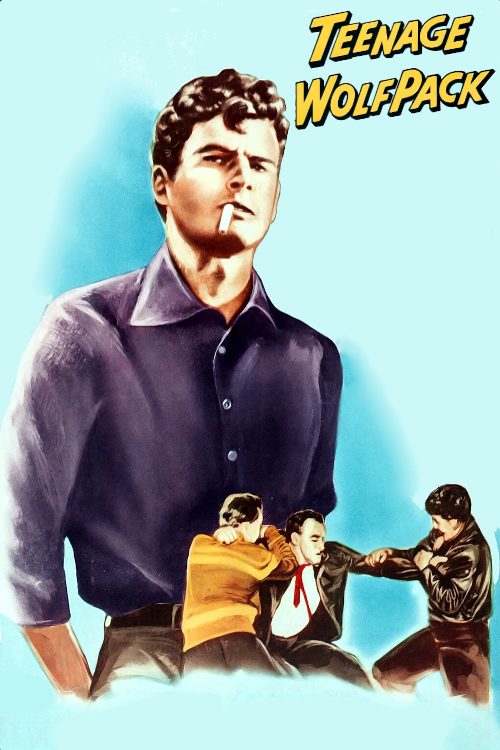
About Teenage Wolfpack
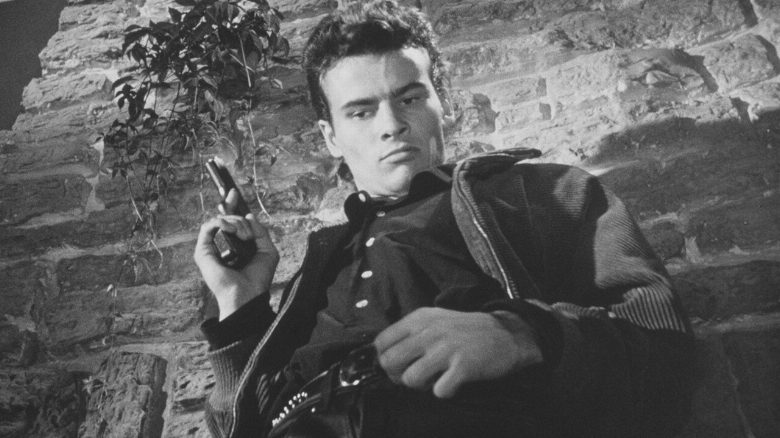
The drama of a youthful triangle among gang leader Freddy, his brother Jan, and bad girl Cissy, in one of the first considerations of juvenile delinquency in post-war West Germany.
Long before the global cinema landscape became fascinated with the raw intensity of youth rebellion, Georg Tressler captured the restless energy of post-war German streets in a way that feels surprisingly modern. Teenage Wolfpack stands as a seminal piece of mid-century filmmaking, stepping away from the polished studio aesthetics of its era to focus on the grit of a society trying to rebuild its identity. By centering the narrative on a volatile trio caught in a cycle of aimless delinquency, the film avoids becoming a mere cautionary tale. Instead, it functions as a sharp psychological study of how displacement and lack of purpose can curdle into destructive behavior. For fans of Indian cinema who appreciate the thematic depth found in gritty dramas like Rang De Basanti or the raw energy of early Tamil gangster sagas, this film offers a fascinating historical parallel. It explores the same universal tension between the desire for belonging and the inevitability of societal friction.
The strength of the film lies in its atmosphere, which captures the bleakness of a generation searching for direction amidst the rubble of a fractured nation. While modern audiences are accustomed to high-octane thrillers, this drama relies on a simmering sense of unease. The dynamic between the charismatic leader, his impressionable brother, and the enigmatic young woman who drifts between them creates a tension that is as much about emotional loyalty as it is about petty crime. It is a vital watch for film historians and those interested in how world cinema has historically framed the transition from childhood to adulthood. Tressler demonstrates a keen eye for framing the urban landscape as a character in itself, echoing the stylistic choices often seen in contemporary Malayalam indie films that prioritize mood and character authenticity over conventional heroics.
For the viewer who enjoys character-driven stories where the stakes are deeply personal rather than grand or epic, this German classic provides a compelling experience. It manages to remain relevant because the impulses driving the characters are timeless. The performances are understated yet potent, avoiding the melodrama that often plagued films of the fifties. Whether you are a student of European film history or a cinephile looking to trace the lineage of the youth-in-crisis genre, Teenage Wolfpack provides an essential look at the birth of the outsider archetype. It remains a poignant reminder that even decades later, the search for identity in a world that feels unresponsive to one's needs remains a powerful engine for compelling storytelling.
Cast(16)