About The Disappearance of Josef Mengele
Shortly after the end of the Second World War, Josef Mengele, the Nazi doctor who had practiced in the Auschwitz extermination camp, managed to escape from Germany. With the help of SS soldiers and the support of wealthy South American families, he went into hiding in Argentina. From Buenos Aires to Paraguay, with stops in the Brazilian jungle, the so-called Angel of Death organized his methodical disappearance and escaped any form of trial.
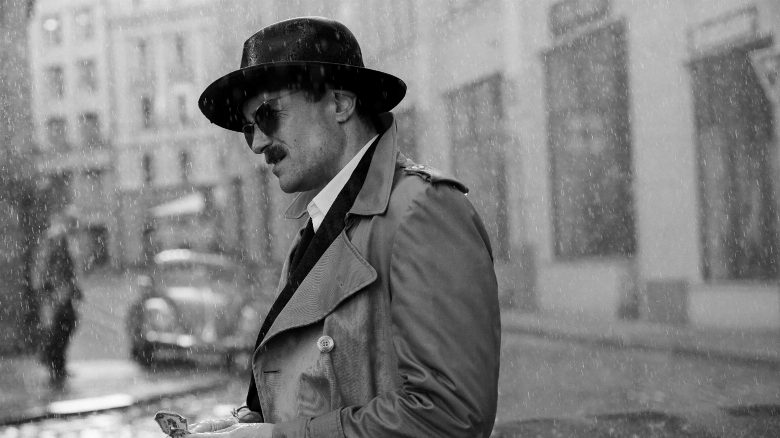
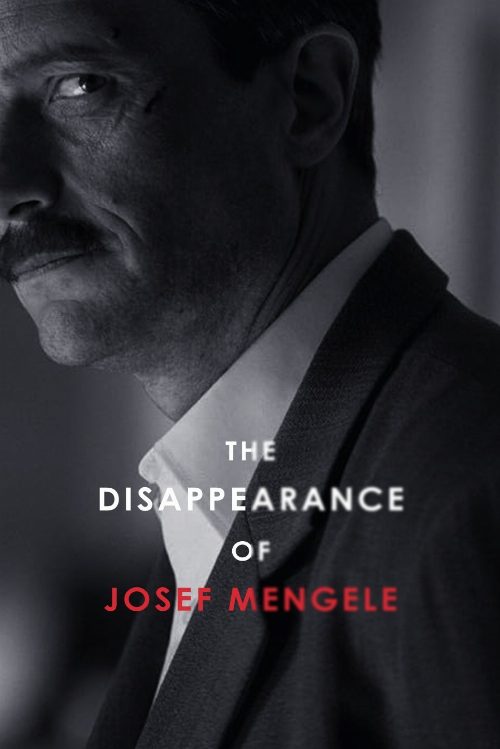
Historical shadows loom large over the 2025 drama The Disappearance of Josef Mengele, a stark exploration of how one of the most notorious figures in human history managed to evade justice for decades. Rather than focusing on the horrors of the camps themselves, the film shifts the lens toward the chilling logistics of flight and the systemic complicity that allowed a war criminal to vanish into the vast, unforgiving landscapes of South America. By following the protagonist across continents, the narrative highlights the terrifying ease with which a man responsible for unspeakable atrocities could reinvent his existence, sheltered by networks of loyalists and the indifference of a world eager to move past the wreckage of global conflict.
This German production arrives at a time when global cinema is increasingly interrogating the legacies of the twentieth century through intimate, character driven lenses. For audiences familiar with the intense psychological dramas emerging from the Indian film industries, where historical reinterpretations and biopics often serve to deconstruct national myths, this film offers a fascinating parallel. It functions less as a standard thriller and more as a procedural study of moral rot. The performance by Santino Lucci is central to this endeavor, as he captures the calculated movements of a man perpetually looking over his shoulder, transforming the screen into a claustrophobic space where fear and arrogance collide. It is a demanding watch that refuses to offer the catharsis of a typical villain’s downfall, choosing instead to linger on the disturbing reality of a life unpunished.
Viewers who gravitate toward sophisticated period pieces and political dramas will find much to admire in the film’s meticulous attention to atmospheric detail. It is an essential viewing experience for those interested in the post-war era, specifically the complex geopolitical landscape that facilitated the escape of high-ranking regime officials. By stripping away the sensationalism often associated with the figure, director and cast deliver a sober reflection on the nature of accountability. The film effectively positions itself as a cautionary meditation on how history can be obscured, making it a standout entry in the current wave of European historical dramas that challenge their audience to confront the lingering ghosts of the past rather than letting them fade into the archives.
Cast(18)