About The Fish Fall in Love
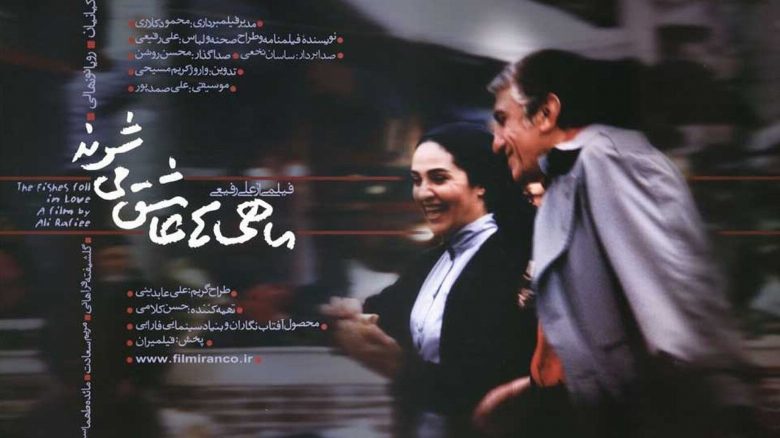
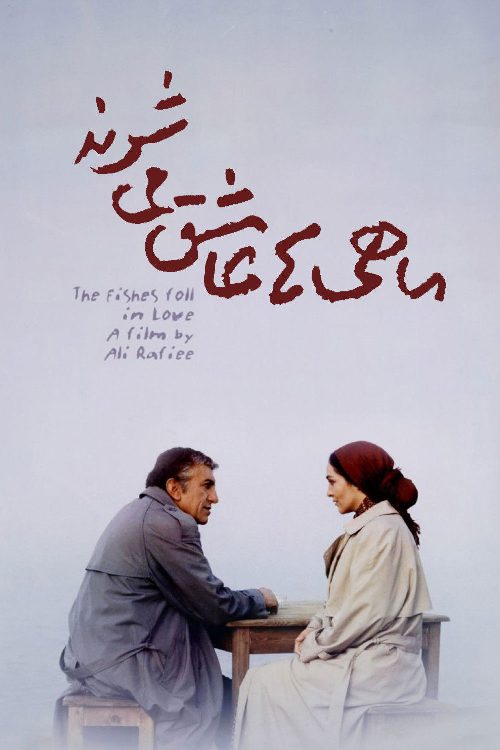
After 22 years, Aziz decides to return to his hometown, to sell some family possessions, including the house where he was born. But for his astonishment, the place is now a small restaurant, run by four women, one of them a girl whom he once dated. Attieh, the girl, tries to convince him not to sell the place by, instead of telling him a story a day as Sheherazade, cooking him a delicious dish every day.
The intersection of memory and culinary artistry finds a delicate expression in the 2007 Iranian drama The Fish Fall in Love. Director Ali Rafie crafts a narrative that feels like a quiet meditation on the passage of time, focusing on a man who returns to his ancestral home after two decades only to find it transformed into a vibrant sanctuary of flavors. While many films rely on grand gestures to convey emotional shifts, this story chooses the intimacy of the kitchen, using the preparation of traditional meals as a bridge between a man haunted by his past and a group of women who have built a life in his absence. It is a refreshing departure from the high-octane thrillers often dominating global box offices, offering instead a sensory experience that invites the audience to slow down and appreciate the nuances of human connection.
The film stands out for its atmospheric dedication to the domestic sphere, turning the act of cooking into a language of reconciliation. By positioning the protagonist, Aziz, against the four women who now steward his family home, the director explores themes of displacement and the stubborn roots of nostalgia. The performance by Golshifteh Farahani is particularly noteworthy, as she infuses the character of Attieh with a grounded grace that serves as the perfect counterbalance to the restlessness of the returning wanderer. For viewers who appreciate the slow-burn romances seen in contemporary world cinema or the poetic sensibilities of regional Indian dramas that prioritize character internalities over spectacle, this film offers a deeply rewarding experience. It captures the essence of a homecoming that is not just about physical space, but about the reconciliation of the self with long-held regrets.
Fans of international cinema will likely find the visual language of this piece both nostalgic and timeless. It eschews modern editing trends in favor of lingering shots that emphasize the textures of the food and the quiet interactions between the characters. The dynamic between the leads feels authentic, grounded in a shared history that is never fully articulated but always felt in the space between words. As an exploration of how we preserve our heritage through the rituals we keep, this work remains a significant entry in the Iranian film canon. It is recommended viewing for those who enjoy character-driven stories where the setting acts as a silent participant in the unfolding emotional landscape. Whether it is the soft lighting or the deliberate pacing, every element feels designed to draw the spectator into a world where forgiveness is served one dish at a time.