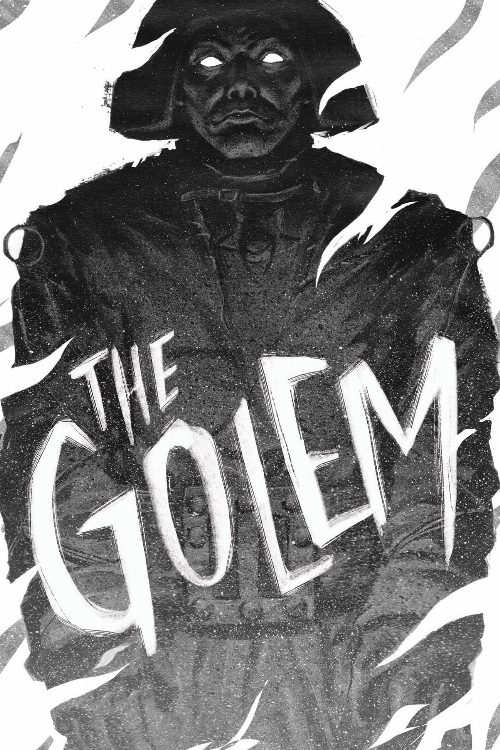
The Golem: How He Came Into the World(1920)
About The Golem: How He Came Into the World
In 16th-century Prague, a rabbi creates the Golem - a giant creature made of clay. Using sorcery, he brings the creature to life in order to protect the Jews of Prague from persecution.
Few cinematic relics capture the heavy, tactile atmosphere of early expressionism quite like this 1920 masterpiece. While modern audiences often associate the Golem legend with standard monster tropes, this German silent film operates on a much deeper frequency, weaving folklore, mysticism, and historical anxiety into a single visual tapestry. Set against the backdrop of sixteenth century Prague, the narrative follows a spiritual leader who defies natural boundaries to construct a guardian from the earth itself. The film is a landmark achievement in production design, utilizing jagged, distorted architecture to reflect the internal psychological states of its characters rather than merely providing a physical setting. It remains a fascinating study of the fine line between salvation and ruin, as the rabbi discovers that summoning a force of pure power rarely results in the simple protection he initially envisioned.
For enthusiasts of global cinema, this work serves as an essential bridge between archaic theatrical traditions and the nascent language of horror. Much like the intense, high stakes emotional storytelling found in the best of contemporary Indian cinema, where mythological archetypes are frequently repurposed to comment on societal fractures, this film uses the clay giant as a mirror for communal survival. It is particularly striking how the film anticipates the concerns of twentieth century European history, embedding a sense of impending dread within its gothic framework. Viewers who appreciate the deliberate pacing and visual storytelling of silent classics will find themselves drawn into the masterful lighting and shadow play, which give the Golem a menacing, heavy presence that feels remarkably modern even a century later.
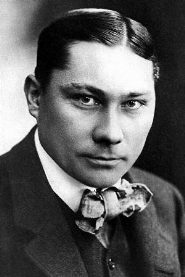
This film is a must watch for those interested in the evolution of the genre, especially individuals who enjoy exploring how filmmakers from different cultures utilize ancient legends to address contemporary tensions. Paul Wegener, who directed and starred in the production, brings a gravitational weight to his performance that anchors the fantastical premise in a palpable sense of tragedy. The film avoids the trap of becoming a mere spectacle, choosing instead to focus on the heavy moral burden carried by those who seek to control the uncontrollable. It stands as a testament to the power of practical craft, proving that even without sound or color, cinema can conjure an overwhelming sense of atmosphere that lingers long after the final frame has faded. Whether viewed as an academic exercise in early expressionist techniques or a gripping piece of historical dark fantasy, the film retains an undeniable power that continues to influence the way we depict creatures of myth on the silver screen today.
Cast(14)