About The Legend of Zipang
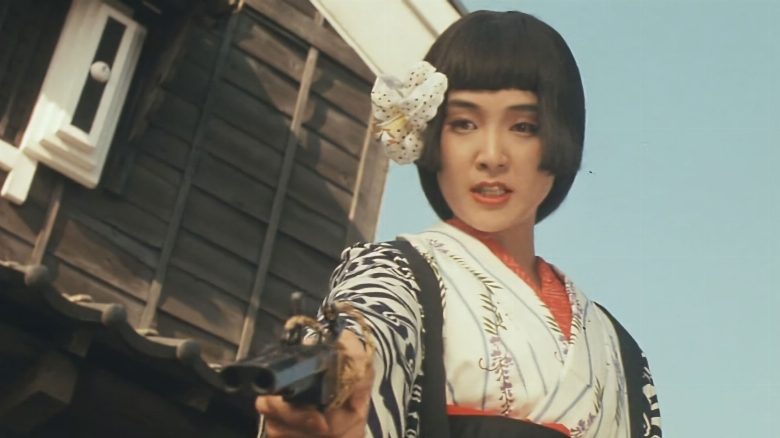
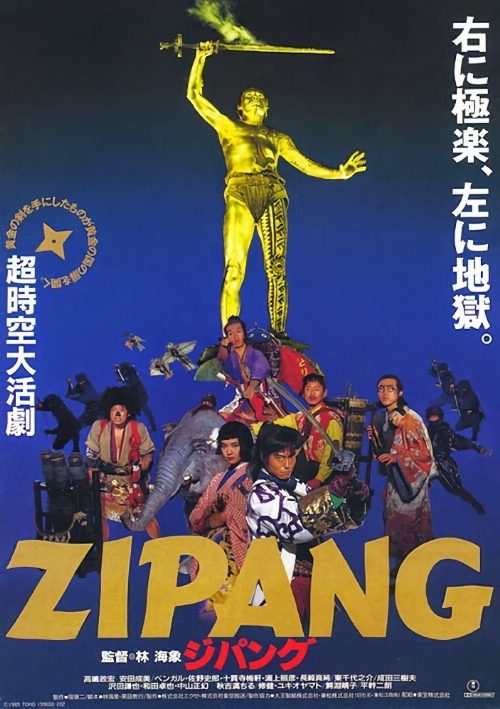
Jigoku Gokurakumaru is a samurai on the run. One bounty hunter hoping to collect the sizeable reward is Teppo Oyuri, a comely lass who is an ace shot with her pearl-laden pistol. Before she can set her sights on Gokurakumaru, he is attacked by a hoard of sword-wielding thugs also hoping to collect the reward. He dispatches them with bloody aplomb. Later, Gokurakumaru and Oyuri -- who has fallen for the master swordsman in spite of herself -- venture to Zipang, the Land of Gold, in search of a magical gold sword.
Director Kaizo Hayashi brings a distinctively stylized vision to the screen with The Legend of Zipang, a 1990 adventure that blends the grit of historical samurai cinema with the heightened sensibilities of fantasy pulp. Set against the backdrop of a mythical journey, the film follows a fugitive warrior named Jigoku Gokurakumaru who finds his path intercepted by a sharp-shooting bounty hunter named Teppo Oyuri. While their initial meeting is defined by the tension of a hunt, their dynamic quickly shifts into a reluctant partnership as they are drawn toward the legendary land of gold. This narrative pivot elevates the film beyond a standard period piece, moving it into the realm of stylized escapism that defined much of the experimental Japanese genre filmmaking of the late eighties and early nineties.
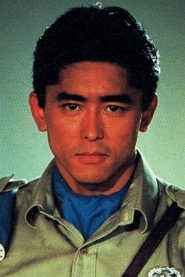
For audiences familiar with the evolution of Asian action cinema, this film serves as an intriguing time capsule. It captures a moment when filmmakers were eager to experiment with visual flair, blending traditional swordplay tropes with eccentric characters and a sense of wonder that resonates with the high-concept adventure films popular in global markets at the time. Masahiro Takashima brings a brooding intensity to the lead role, while the supporting cast injects the story with a vibrant, almost comic-book energy. The production design reflects a deliberate attempt to break away from the dour realism often associated with samurai dramas, favoring instead a bold, aestheticized approach to costume and setting that demands the viewer suspend their disbelief in favor of pure spectacle.
Viewers who enjoy the whimsical, high-stakes spirit of classic adventure serials will likely find the most to admire here. The film is tailored for those who appreciate cinema that does not take itself too seriously, prioritizing kinetic movement and visual creativity over rigid historical accuracy. While it remains a niche entry in the broader landscape of Japanese genre work, its influence can be felt in the way modern fantasy films blend period costumes with supernatural quests. By focusing on the interplay between the stoic swordsman and the firearm-wielding protagonist, Hayashi crafts a unique dynamic that keeps the pacing brisk and the atmosphere charged. It is an ideal watch for fans of stylistic genre exercises who want to see how the Japanese industry balanced its rich history of chambara with the evolving demands of fantastical, world-hopping narratives during the twilight of the twentieth century.
Cast(9)