The Lovers and the Despot(2016)
About The Lovers and the Despot
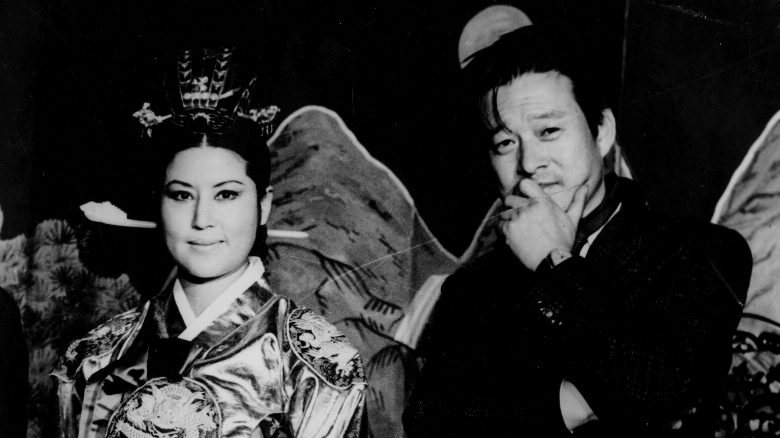
Hong Kong, 1978. South Korean actress Choi Eun-hee is kidnapped by North Korean operatives following orders from dictator Kim Jong-il.
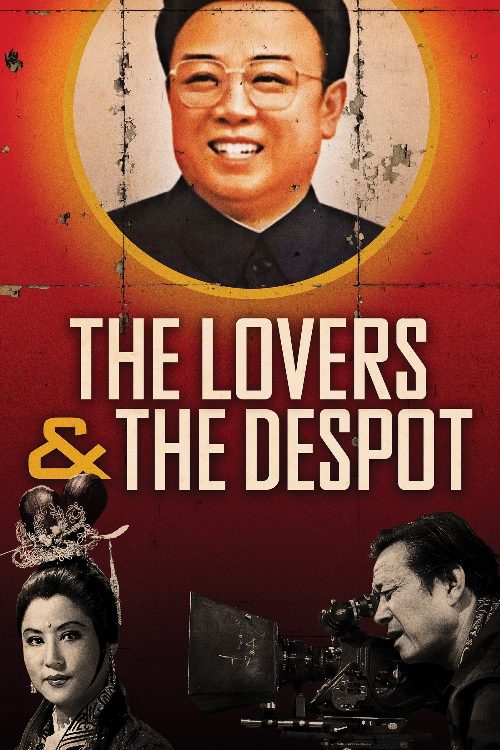
Few cinematic tales feel as surreal as the true story captured in The Lovers and the Despot, a documentary that reads more like a high-stakes espionage thriller than a historical recount. Directors Robert Cannan and Ross Adam craft a chilling exploration of the abduction of South Korean cinema icon Choi Eun-hee and her filmmaker husband, Shin Sang-ok, by the North Korean regime. While audiences accustomed to the hyper-stylized dramas of the Indian film industries are used to grand narratives and larger-than-life villains, this project offers a stark, chilling reality where the antagonist is a real-world dictator obsessed with global recognition. By centering the narrative on the couple’s forced involvement in the North Korean film industry, the documentary highlights the bizarre intersection of political propaganda and creative compulsion, illustrating how art can become both a prisoner and a weapon in the hands of a tyrant.
The cultural gravity of this film lies in its ability to humanize two individuals caught in a geopolitical nightmare that often feels distant to international audiences. For fans of investigative storytelling and historical documentaries, the film provides a rare glimpse into the insular world of the North Korean elite under Kim Jong-il, who was famously a cinema enthusiast. Much like the intense, emotionally charged narratives found in contemporary Malayalam or Tamil political thrillers, the film maintains a steady, gripping pace that invites viewers to question the morality of the creative process under duress. It serves as a poignant reminder of how personal freedom is often sacrificed on the altar of national identity and cultish devotion, themes that resonate deeply with anyone interested in the darker chapters of twentieth-century history.
Viewers who appreciate films that peel back the layers of public figures to reveal the vulnerable humans beneath will find this work particularly compelling. It is an essential watch for those who follow how cinema influences state power, offering a fascinating parallel to the ways film industries are often leveraged for soft power across Asia today. By utilizing archival footage and intimate interviews, the documentary manages to transcend the limitations of traditional non-fiction storytelling, delivering a haunting portrait of survival. Whether you are a dedicated student of international film history or simply someone seeking a story that defies belief, this documentary secures its place as a necessary entry in the canon of real-life dramas, proving once again that the most terrifying scripts are often the ones written by history itself.
Cast(19)