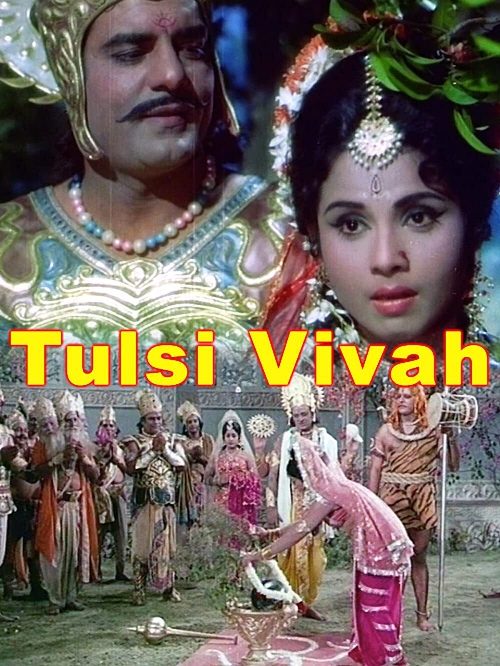
The Marriage of Tulsi(1971)
About The Marriage of Tulsi
Vrunda is married to Jalandhar who gets involved in a vicious battle with Lord Vishnu. As a war between gods and demons wages, Vishnu earns Vrunda's wrath after her husband is killed by Shiva.
The cinematic landscape of early seventies Hindi cinema often found its most vibrant expression in the realm of mythological storytelling, a genre that blended grand spectacle with moral instruction. The Marriage of Tulsi stands as a quintessential artifact of this era, transporting audiences into a cosmos defined by divine interventions and the clashing of celestial forces. By grounding its narrative in the profound devotion of Vrunda and the cosmic upheaval triggered by her husband Jalandhar, the film taps into deep-rooted cultural narratives that have long shaped the Indian imagination. Unlike the gritty social dramas that were beginning to gain traction in urban multiplexes during this period, this feature leans heavily into the fantastical, utilizing the creative freedom of the mythological genre to explore themes of sacrifice, righteous anger, and the complex relationship between mortal virtue and divine ego.
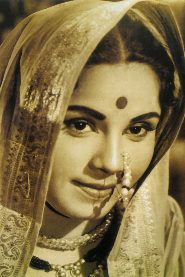
At the center of this drama is the performance of Jayshree Gadkar, a powerhouse of the era whose ability to command the screen in mythological roles was unparalleled. Her portrayal of Vrunda serves as the emotional anchor for a story that could easily lose itself in the dizzying heights of godly warfare. The film is positioned as a classic battle between the forces of order and chaos, yet it distinguishes itself by centering the fallout of these events on a woman who defies the gods themselves. This focus provides a human resonance to what might otherwise be a detached sequence of supernatural encounters, ensuring that the stakes feel personal and immediate for the viewer. It is a testament to the period's production values that it manages to weave such expansive metaphysical conflicts into a cohesive, albeit traditional, narrative structure.
Audiences who appreciate the history of Indian cinema or have an interest in the evolution of religious epics will find this film particularly compelling. It is an ideal watch for those who enjoy the aesthetic charm of practical effects and the theatrical, heightened acting styles that defined the seventies. The Marriage of Tulsi functions not just as a piece of period entertainment but as a window into the values and storytelling archetypes that dominated the popular culture of the time. Whether one is drawn to the exploration of ancient lore or simply wants to witness the seasoned craft of an era before digital wizardry became the standard, the film offers a unique experience. It captures a moment when the silver screen acted as a bridge between age-old traditions and the modern aspirations of a growing audience, making it a noteworthy entry in the vast archive of Hindi language heritage cinema.