About The Party: Nature Morte
The eponymous party is hosted by Queenie and Burrs, long-term lovers who are rapidly growing apart.
Watching The Party: Nature Morte feels like stepping into a curated museum exhibit where the frames are constantly shifting. Released in 1991, this German drama operates as a haunting, atmospheric snapshot of a relationship in its final, frantic gasps of air. While modern audiences might be accustomed to the high-octane emotional turbulence typical of contemporary Tollywood or Bollywood relationship dramas, this film offers a starkly different, meditative experience. It sidesteps the usual tropes of romantic reconciliation or explosive public confrontation, choosing instead to focus on the suffocating stillness of two people who have exhausted their shared language. For viewers who appreciate the slow-burn psychological depth found in the works of auteur filmmakers, the film serves as a masterclass in how silence can be more deafening than dialogue.
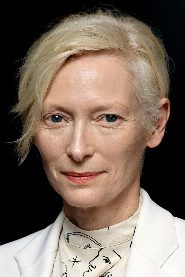
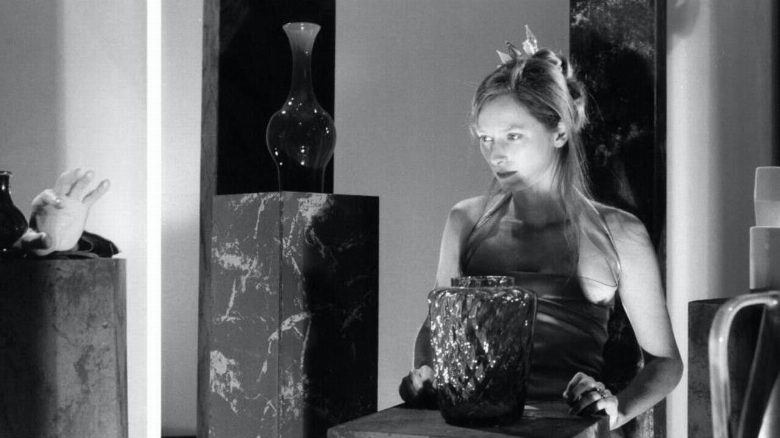
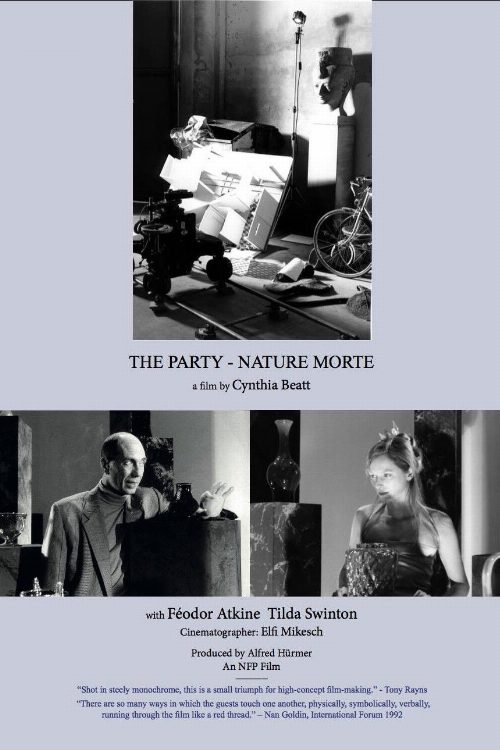
The film is anchored by a compelling international cast, including the iconic Tilda Swinton, whose early performances often hinted at the genre-defying presence she would later command in global cinema. Her work here, alongside Feodor Atkine, suggests a profound commitment to exploring the fraying edges of domestic intimacy. The narrative trajectory is positioned as a claustrophobic descent into the inevitable, set against the backdrop of a gathering that serves more as a wake for a dying romance than a celebration. The European sensibilities at play provide a sharp contrast to the more flamboyant storytelling styles found in Indian regional cinema, yet the underlying theme of human isolation is universal. It invites the audience to observe the wreckage of a partnership with the clinical detachment of a scientist examining a specimen.
Those who gravitate toward character-driven narratives that eschew traditional plot mechanics will find much to dissect here. It is not a film designed for casual viewing; rather, it demands an audience willing to engage with visual metaphors and the subtle decay of affection. For admirers of experimental drama or those who enjoy tracking the early career trajectories of world-class performers, this piece stands as a fascinating artifact of early nineties European independent cinema. It effectively captures the specific anxiety of a couple realizing their connection has become a static portrait of what once was. By stripping away the ornamentation of a typical drama, the film arrives at a raw, unflinching honesty that remains relevant even decades after its release. It is a quiet, deliberate study in how the people we hold closest can eventually become the most enigmatic strangers we ever encounter.