About The Plainsman
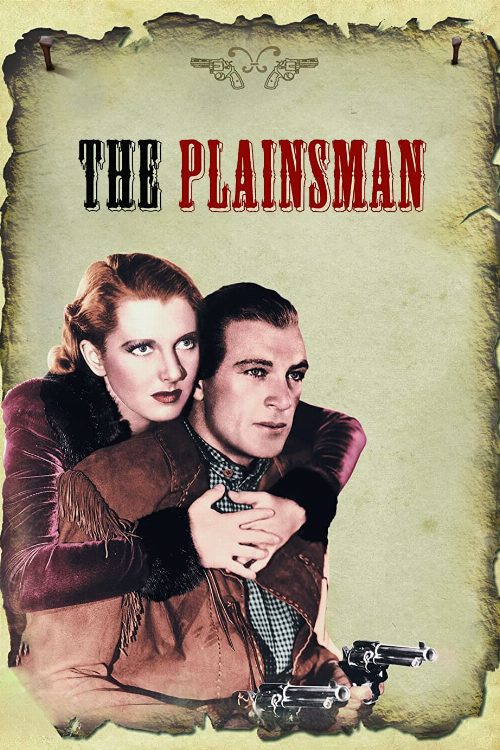
Wild Bill Hickok, Calamity Jane, and Buffalo Bill go up against Indians and a gunrunner.
Cecil B. DeMille brought a sprawling, mythic sensibility to the American frontier with The Plainsman, a film that remains a foundational pillar of the classic Western genre. By weaving together the legendary figures of Wild Bill Hickok and Calamity Jane, the director constructs a cinematic tapestry that prioritizes grand spectacle and romanticized history over gritty realism. For followers of Indian cinema, this approach might feel reminiscent of the larger-than-life period epics currently dominating the Telugu and Hindi box offices, where historical icons are elevated to the status of demi-gods. While the narrative is firmly rooted in the nineteenth-century American West, the film utilizes a rhythmic, episodic structure that captures the same sweeping ambition found in modern pan-Indian blockbusters, proving that the template for the heroic saga has deep, cross-cultural roots.
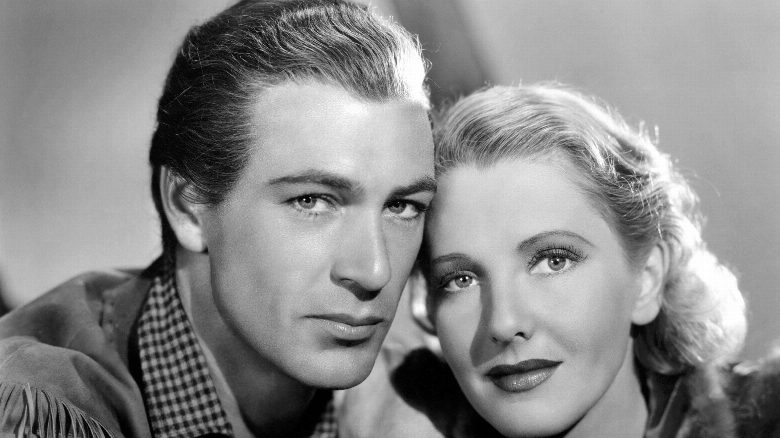
Gary Cooper delivers a performance defined by his signature stoic charisma, anchoring the film as a man caught between his personal moral code and the chaotic expansion of a burgeoning nation. Opposite him, Jean Arthur provides a spirited, grounded energy that prevents the material from drifting too far into pure melodrama. Their chemistry serves as the emotional heartbeat of a story that otherwise focuses on the volatile intersection of shifting political borders and the illicit arms trade. The film is essentially a study of how individuals navigate the transition from lawless frontiers to organized society, a theme that consistently resonates with audiences who enjoy stories about the burdens of leadership and the price of peace.
Viewers who appreciate the golden age of Hollywood will find this production a masterclass in set design and tension-building. It is specifically recommended for those who enjoy the intersection of historical lore and swashbuckling adventure. While it lacks the cynical edge of later Westerns that deconstructed the myth of the American frontier, its earnest commitment to character-driven spectacle remains compelling. The film stands as a testament to the era when directors were as much showmen as storytellers, aiming to transport audiences into a heightened reality. For those interested in the evolution of the action genre, observing how DeMille handles large-scale movement and emotional stakes offers a fascinating look at the craftsmanship that paved the way for the high-octane sequences we see in contemporary global cinema today. It is a classic that serves as a bridge between historical myth-making and the modern blockbuster aesthetic.
Cast(25)