About The Playgirls and the Vampire
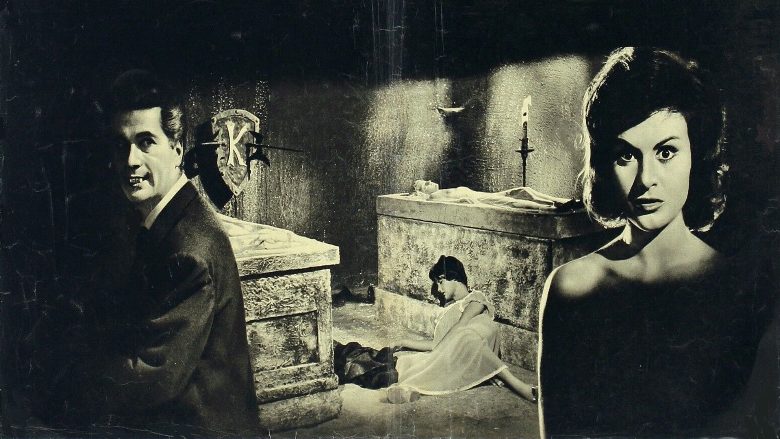
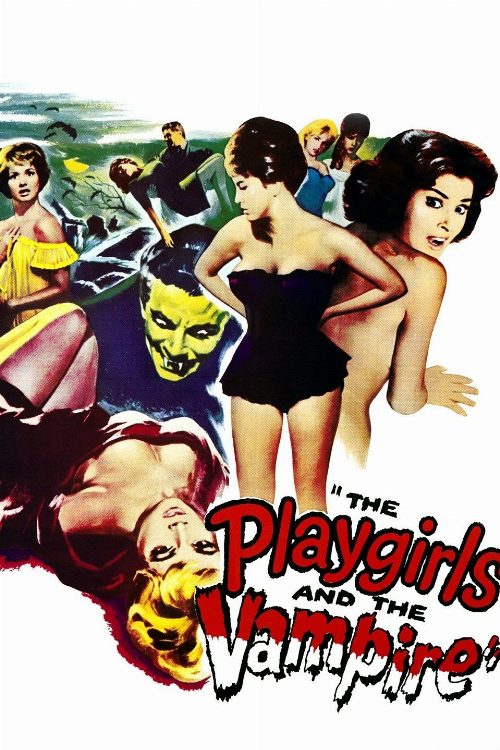
Sexy nightclub dancers get trapped in a dark, creepy castle for the night.
The Italian horror landscape of the early sixties remains a fascinating study in how filmmakers blended atmospheric dread with the burgeoning allure of the exploitation aesthetic. The Playgirls and the Vampire stands as a quintessential artifact of this transitional era, capturing a moment when European genre cinema began moving away from gothic rigidity toward a more stylized, provocative visual language. By dropping a group of nightclub performers into the isolated, labyrinthine confines of a decaying fortress, the narrative establishes a classic claustrophobic setup that pits modern urban energy against the ancient, lingering shadows of aristocratic decay. This stark juxtaposition serves as the film’s primary engine, transforming a simple survival scenario into a stylistic exercise that defines the campy but effective sensibilities of its time.
Within the broader history of international cinema, this production occupies a unique niche that appeals to enthusiasts of vintage aesthetic experimentation. Unlike the more polished monster features emanating from Hollywood during the same decade, this Italian entry leans heavily into the moody lighting and dramatic set design that would eventually influence the more iconic giallo films of the seventies. Audiences who appreciate the deliberate pacing and theatrical performance styles of mid-century continental horror will find plenty to admire in its commitment to building a sense of impending doom. The film is less concerned with rapid-fire scares and more focused on the sustained tension of being cornered in a place where the architecture itself feels predatory.
For those tracking the evolution of the vampire mythos, this film offers a distinct variation on the predatory noble trope. While the cast features names like Walter Brandi, who became a familiar face in the Italian genre circuit, the true star is the production design that turns a castle into an active character. It serves as an essential watch for viewers interested in the roots of European cult cinema, providing a window into how studios balanced traditional supernatural elements with the era’s shifting social codes. As a piece of genre history, it captures a fleeting intersection of gothic storytelling and the emerging pop culture sensibilities of the nineteen-sixties, making it a compelling study for anyone looking to understand the foundations of Mediterranean horror. Whether viewed as an atmospheric thriller or a camp classic, the film maintains a persistent, haunting charm that continues to intrigue those digging into the deeper archives of global horror traditions.
Cast(10)


Crew
Screenplay
Story
Executive Producer
Makeup Artist
Hairstylist
Editor
Set Designer
Music
Producer
Similar Films