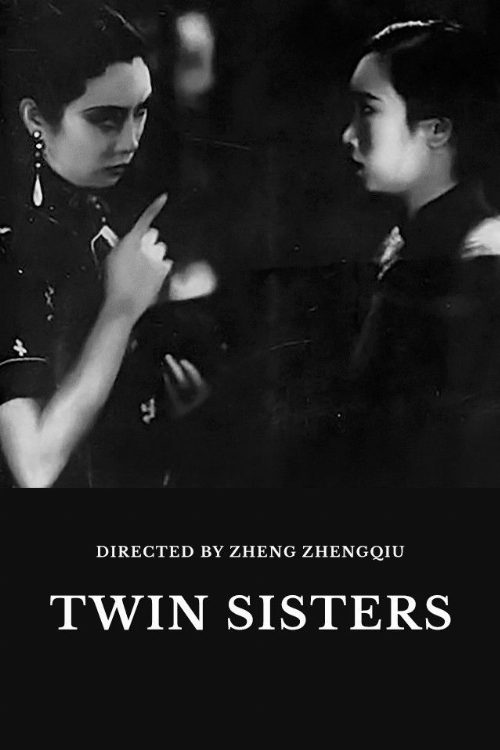
About Twin Sisters
Twin girls separated at birth are reunited when the one raised in poverty becomes a servant in the household of her sister, now the pampered wife of a warlord general.
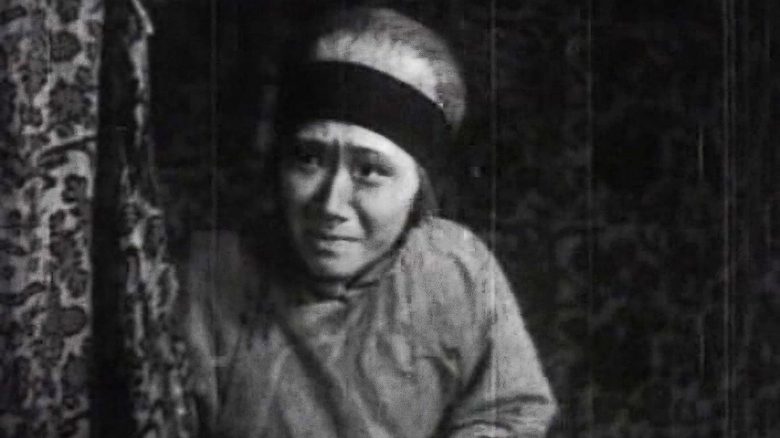
A rare gem from the early decades of Chinese cinema, Twin Sisters serves as a poignant time capsule that captures the turbulent social landscape of the 1930s. Directed by Zheng Zhengqiu, this silent-era drama remains a cornerstone of the industry, reflecting the stark economic disparities that defined the period. By centering its narrative on two siblings who grow up in vastly different worlds, the film moves beyond a simple melodrama to explore how class identity and individual morality are forged by circumstance. Unlike many contemporary films of the era that focused on historical epics, this production opts for a domestic lens, highlighting the shifting roles of women and the looming shadow of military authority within the household.
The strength of the film lies in its ability to humanize the massive chasm between the elite and the laboring class through a deeply personal lens. When the sister raised in hardship finds herself working under the roof of her affluent twin, the resulting dynamic is charged with both tension and emotional complexity. For modern viewers, the film offers a fascinating look at the performance styles and visual storytelling techniques that flourished before the advent of synchronized sound. The lead performance by Butterfly Wu is often cited by scholars as a masterclass in subtlety, as she balances the dual demands of portraying two distinct personalities while maintaining a cohesive emotional arc. It is a work that rewards those who appreciate historical artifacts of global cinema, particularly audiences interested in how early Asian filmmakers utilized the medium to critique societal inequalities.
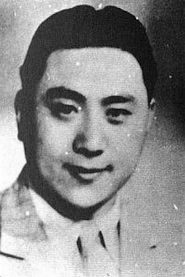
Zheng Zhengqiu, a pivotal figure in the development of the Chinese studio system, brings a rhythmic pace to the storytelling that keeps the viewer anchored in the sisters shared plight. While the film is nearly a century old, its core themes of destiny, class struggle, and the resilience of familial bonds resonate with the same urgency found in many modern dramas from across the globe. For those who follow the evolution of international film history, this title stands as a mandatory viewing experience. It bridges the gap between traditional theatrical conventions and the emerging language of modern motion pictures. Whether you are a student of early twentieth-century culture or simply a fan of character-driven dramas that prioritize emotional depth over spectacle, this classic provides a compelling window into a bygone era of storytelling.