
About Una golfa
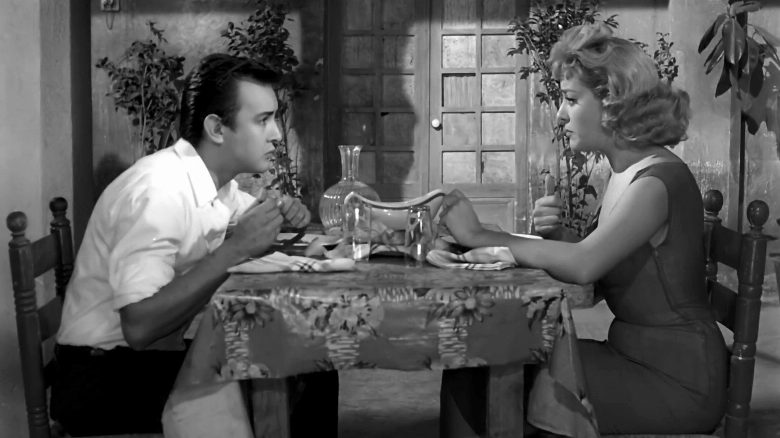
Trumpet-player in a club band falls for a streety young woman; she dumps him to become a kept woman... and his roommate the pianist is dealing weed... and...
The mid-twentieth century was a golden era for gritty urban storytelling, a period where the stark neon lights of nightclubs often served as the backdrop for moral quandaries and desperate romantic entanglements. Within the landscape of 1958 Spanish cinema, Una golfa stands out as a visceral exploration of the transactional nature of love and the crushing weight of social ambition. While modern viewers accustomed to the high-octane spectacle of contemporary Telugu or Hindi dramas might find the pacing deliberate, the film operates on a level of psychological tension that mirrors the classic noir sensibilities found in the best of world cinema. It captures a specific snapshot of human fallibility, centering on the volatile intersection between a musician’s idealistic devotion and the cold realities of a woman navigating a society that treats her as a commodity.
The narrative trajectory, which follows a jazz musician ensnared by his feelings for a woman who rejects domestic stability for a life of luxury, resonates with themes that transcend borders. Much like the complex character-driven pieces found in recent Malayalam cinema, the film refuses to offer easy redemption or simplistic binaries of good and evil. Instead, it invites the audience to observe the wreckage left behind by choices driven by survival and ego. The inclusion of subplots involving substance illicit trade and the claustrophobic dynamics of shared living quarters adds a layer of grit that grounds the romantic melodrama in a harsh, tangible world. It is a work that values atmosphere over sentimentality, making it an essential watch for cinephiles who appreciate the evolution of the femme fatale archetype and the mid-century aesthetic of atmospheric realism.
Director Tulio Demicheli manages to extract a performance from Silvia Pinal that is both magnetic and profoundly tragic, showcasing her ability to carry the emotional burden of the story with subtle gestures. For those who track the lineage of international drama, this film serves as a compelling study in how regional voices in the fifties utilized the medium to critique the shifting values of the era. It is positioned as a quintessential piece for fans of character studies who enjoy films that linger on the internal conflicts of their protagonists rather than relying on external action. By focusing on the intersection of artistic failure and personal greed, the production remains a potent reminder of the fragility of human connection when placed under the pressure of societal expectations and the lure of a better life.