Volantín(1963)
About Volantín
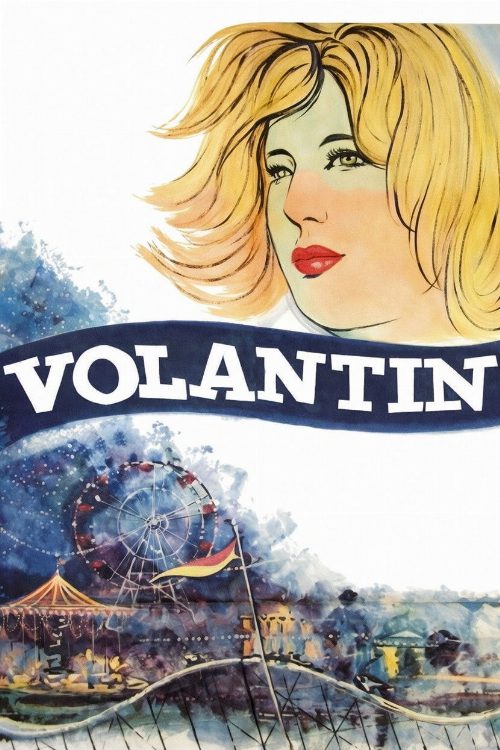
The story of the difficult life of itinerant artists in Mexico and their futile dreams of happiness. Marin's father, a traveling artist, dreamed of saving money and sending his daughter to school. But his earnings were too small, barely enough to cover their most basic needs. And Maria continued to perform with her dogs. When Maria and the aerial acrobat Maurimo fell in love and decided to get married to start a new life, their dreams were once again shattered by harsh reality—they worked in different troupes, and Maria could not leave her old, sick father...
The dust of the road and the flickering lights of small town circuses define the melancholic atmosphere of Volantin, a 1963 Mexican drama that captures the precarious existence of performers living on the margins of society. While global cinema has long been fascinated by the dichotomy between the spectacle of the big top and the private struggles of those behind the curtain, this film strips away the glamour to focus on the grit of itinerant life. Centered on a young woman named Maria, whose daily existence is defined by her canine act and her devotion to an ailing father, the narrative explores the crushing weight of poverty and the persistent, often painful, longing for a conventional life that remains perpetually out of reach.
For audiences familiar with the rich tradition of Indian parallel cinema, which often highlights the plight of the working class and the struggle of individuals against systemic stagnation, Volantin offers a compelling international parallel. Much like the poignant character studies found in classic Bengali or Malayalam dramas of the mid-twentieth century, the film avoids grand heroics in favor of intimate, human scale conflicts. The casting of Susana Alexander brings a grounded, vulnerable presence to the screen, anchoring the story as she navigates a burgeoning romance with an aerial acrobat named Maurimo. Their connection serves as the emotional engine of the film, illustrating the tension between the desire for personal happiness and the inescapable obligations of familial duty.
This project stands out as a stark meditation on the futility of ambition when one is trapped in a cycle of subsistence. Directors of this era were often preoccupied with the stark realities of post-war social structures, and this film is no exception, positioning itself as a somber look at how economic hardship dictates the boundaries of love and personal growth. It is a must watch for cinephiles who appreciate character driven narratives that prioritize mood and social commentary over plot twists. By eschewing the typical tropes of circus films, which often lean into wonder or tragedy for entertainment value, Volantin remains a dignified, albeit heartbreaking, portrait of people who are essentially anchored to a life of perpetual motion. Anyone who values slow-burn dramas that interrogate the ethics of sacrifice will find the performances and the atmosphere of this classic piece of Mexican cinema deeply resonant.