About When We Leave
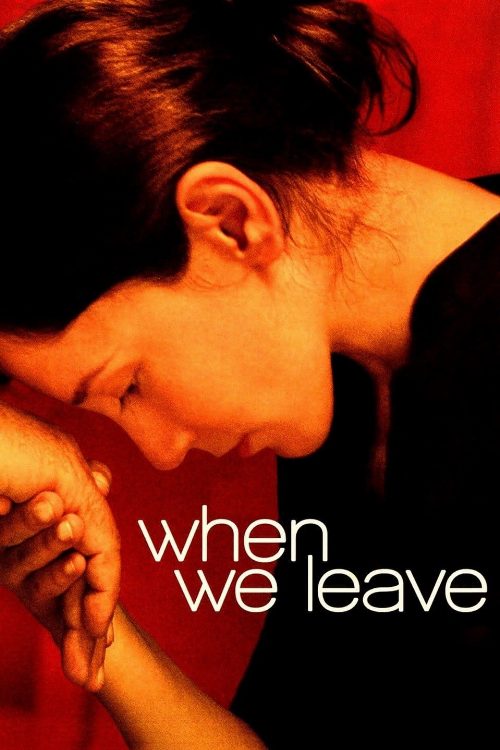
Umay is a young woman of Turkish descent, fighting for an independent and self-determined life in Germany against the resistance of her family. Her struggle initiates a dynamic, which results in a life-threatening situation.
Few cinematic works manage to capture the claustrophobic friction between cultural heritage and personal autonomy as precisely as When We Leave. This German drama centers on a young woman who makes the harrowing decision to flee an oppressive marriage in Istanbul, seeking a sanctuary for herself and her son within the heart of Berlin. By framing her journey through the lens of a mother navigating the complexities of European life while tethered to the rigid expectations of her diaspora community, director Feo Aladag constructs an intimate yet sprawling portrait of displacement and resilience. The film transcends the typical immigrant narrative by focusing less on the mechanics of relocation and more on the psychological toll of reclaiming one's identity from a family structure that views independence as a profound betrayal.
For audiences accustomed to the high-stakes family dramas often found in global cinema, particularly the intense domestic conflicts seen in contemporary Indian regional films, When We Leave offers a familiar emotional landscape. Much like the best of Telugu or Malayalam social dramas that explore the tension between individual aspirations and traditional honor, this story highlights the suffocating nature of collective expectations. The film functions as a stark character study, anchored by a powerful lead performance that captures the quiet desperation of a woman caught between two worlds. It is positioned as an essential watch for viewers who appreciate nuanced storytelling that refuses to simplify the motives of either the protagonist or her antagonists, opting instead to present a complex web of cultural obligation.
Aladag demonstrates a remarkable ability to balance the personal with the political, ensuring that the protagonist’s fight for self-determination feels both urgent and universal. The cinematography captures the cold, indifferent architecture of German urban spaces, which serves as a sharp contrast to the warmth and danger of the protagonist’s domestic history. This is not merely a tale of escape, but a rigorous investigation into what remains of a person after they have severed their strongest ties. Anyone interested in the intersection of gender politics and migration will find this film deeply affecting. It stands as a testament to the idea that true freedom often requires the most difficult sacrifices, making it a timeless piece of international cinema that continues to resonate with anyone who has ever had to choose between their roots and their future.
Cast(16)