About Where the Wild Things Are
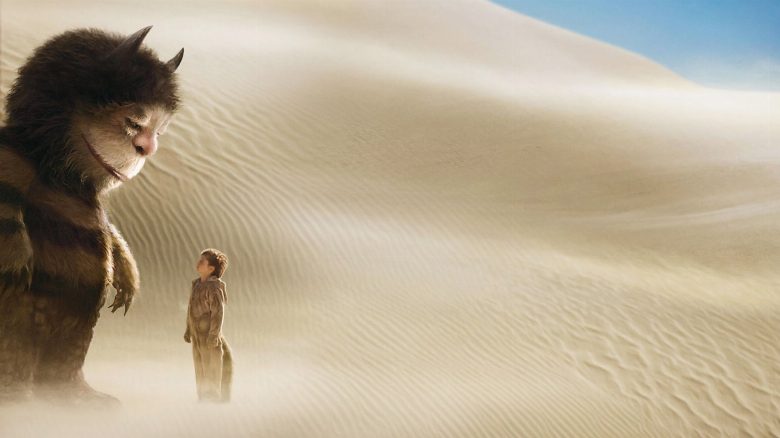
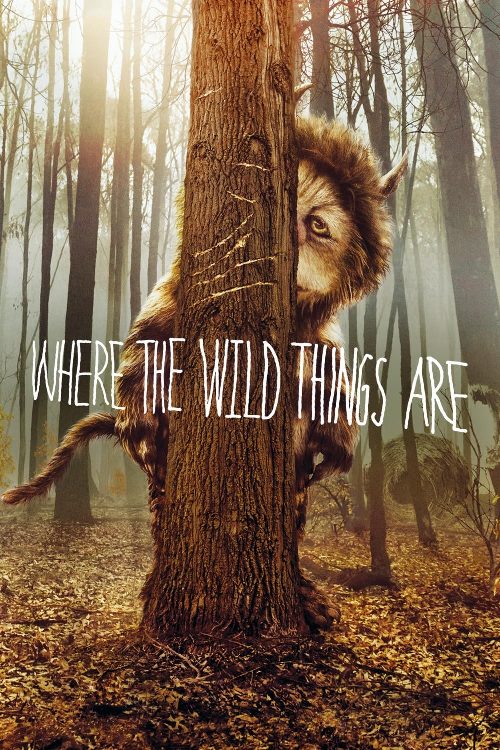
Max imagines running away from his mom and sailing to a far-off land where large talking beasts—Ira, Carol, Douglas, the Bull, Judith and Alexander—crown him as their king, play rumpus, build forts and discover secret hideaways.
Spike Jonze crafts a visceral exploration of childhood turbulence that feels less like a traditional adventure and more like an emotional excavation of the human spirit. While many films in the family fantasy genre lean into whimsical escapism, this adaptation of the beloved picture book chooses a raw, unvarnished path that resonates deeply with adult audiences just as much as younger viewers. By focusing on the volatile nature of a young boy struggling to process his domestic anxieties, the narrative transforms from a simple romp into a profound meditation on the complexities of anger, loneliness, and the desperate search for belonging. It is a rare piece of cinema that respects the intensity of a child's inner life, refusing to sugarcoat the frustration that often bubbles beneath the surface of growing up.
The film stands out for its tactile, grounded aesthetic, moving away from the polished sheen of modern digital animation in favor of intricate creature suits that possess a physical, lumbering weight. This stylistic choice mirrors the regional shift we are currently seeing in global cinema, where filmmakers in industries like the Malayalam or Tamil markets are increasingly favoring naturalistic, grounded storytelling over spectacle for the sake of spectacle. Much like the best of recent character-driven Indian dramas, the power of this movie lies in its silence and its pauses, allowing the audience to sit with the protagonists in their quiet moments of doubt. Max Records delivers a performance of remarkable vulnerability, grounding the fantastical elements of the narrative in a very real, human struggle that keeps the viewer anchored throughout the journey.
Audiences who appreciate atmospheric storytelling and the works of directors who prioritize thematic depth over plot-heavy progression will find this film highly rewarding. It is essentially a portrait of a fractured psyche mirrored in the landscape of an imaginary kingdom, making it a perfect recommendation for those who enjoy psychological dramas that don't sacrifice a sense of wonder. Because it addresses the messy, often contradictory feelings that come with family dynamics, it serves as an excellent companion piece to films that explore the emotional maturation of their leads. Whether you are revisiting it for the haunting score or experiencing it for the first time, the work remains a singular achievement in fantasy, proving that even the most monstrous projections of ourselves are often just cries for understanding and peace.
Cast(30)