About White Mane
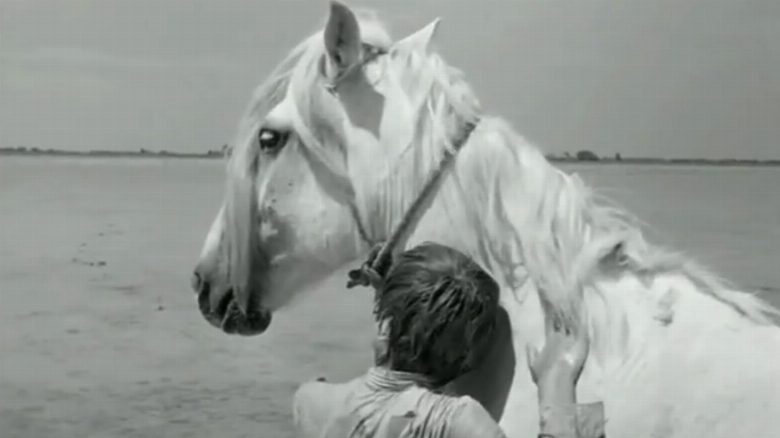
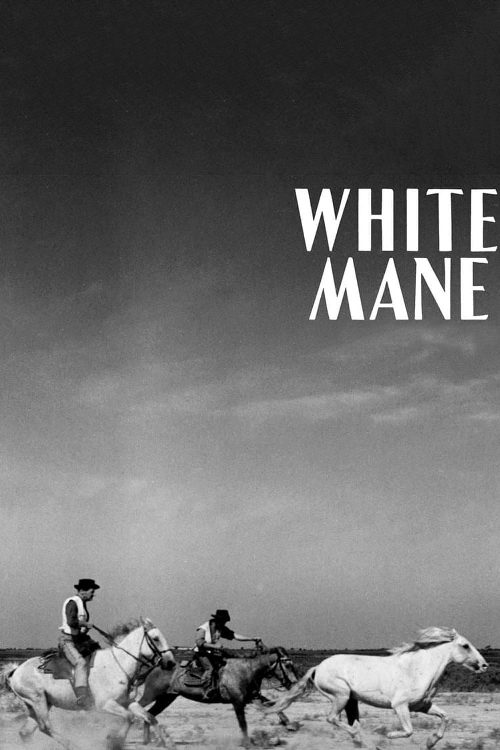
In the south of France, in a vast plain region called the Camargue, lives White Mane, a magnificent stallion and the leader of a herd of wild horses too proud to let themselves be broken by humans. Only Folco, a young fisherman, manages to tame him. A strong friendship grows between the boy and the horse, as the two go looking for the freedom that the world of men won’t allow them.
The stark, windswept marshes of the Camargue serve as the primary stage for a cinematic fable that transcends the boundaries of its 1953 origin to remain a touchstone of visual storytelling. Albert Lamorisse crafts a world where the horizon feels infinite and the divide between humanity and nature is bridged by a singular, unspoken bond. While modern audiences raised on high-octane blockbusters might find the pacing deliberate, there is an elemental power in this black-and-white feature that feels remarkably contemporary. Much like the current wave of regional Indian cinema that prioritizes atmospheric landscape and grounded, visceral storytelling, this film understands that the environment itself acts as a primary character, shaping the destinies of those who inhabit it.
At the heart of the narrative is the clash between the untamable spirit of a wild stallion and the rigid expectations of the human world. The protagonist, a young boy, represents the innocence required to see past the utilitarian view of animals common in his community. His quest for companionship with the horse is not merely a hobby but a defiant rejection of the constraints placed upon both boy and beast. This thematic exploration of freedom resonates deeply with fans of lyrical, character-driven dramas. It appeals to viewers who appreciate the visual poetry found in films that lean on imagery rather than dialogue to convey emotional stakes, a technique that has been mastered by masters of global cinema from Satyajit Ray to the masters of the contemporary Malayalam film industry.
What makes this work stand out is the director’s ability to capture raw, kinetic energy on camera without the assistance of modern digital effects. The horse is not merely an animal but a symbol of raw, majestic autonomy that refuses to bend to the will of men. Watching the interactions between the child and the stallion, one is reminded of the timeless appeal of man-animal partnerships in world cinema, where the vulnerability of the human spirit meets the imposing resilience of the natural world. It is a film for those who yearn for stories that strip away the artifice of industrial life to focus on pure, unadulterated connection. Even decades after its debut, the film continues to influence directors who seek to find profound meaning in the silence of open spaces and the quiet dignity of a creature that will never truly be owned.