About Wreck-It Ralph
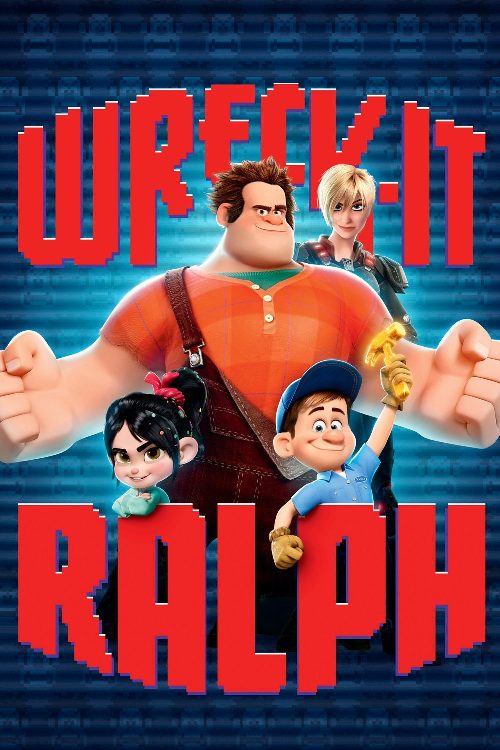
Wreck-It Ralph is the 9-foot-tall, 643-pound villain of an arcade video game named Fix-It Felix Jr., in which the game's titular hero fixes buildings that Ralph destroys. Wanting to prove he can be a good guy and not just a villain, Ralph escapes his game and lands in Hero's Duty, a first-person shooter where he helps the game's hero battle against alien invaders. He later enters Sugar Rush, a kart racing game set on tracks made of candies, cookies and other sweets. There, Ralph meets Vanellope von Schweetz who has learned that her game is faced with a dire threat that could affect the entire arcade, and one that Ralph may have inadvertently started.
Digital nostalgia serves as the beating heart of this vibrant animated adventure, which reimagines the hidden lives of classic arcade icons as a high-stakes workplace comedy. While many films attempt to capture the aesthetic of gaming culture, this feature distinguishes itself by grounding its massive, destructive protagonist in a relatable quest for identity and validation. By moving beyond the binary of programmed roles, the narrative explores the psychological weight of being typecast as a villain, offering a clever subversion of traditional storybook tropes. It functions as both a colorful journey through diverse virtual landscapes and a heartfelt meditation on the necessity of belonging, making it a standout entry in the modern animation canon.
The film operates with a kinetic energy that resonates deeply with audiences familiar with the evolution of interactive media, yet it remains accessible to viewers who have never touched a controller. Its visual language shifts seamlessly between the pixelated charm of retro cabinets and the sleek, high-definition intensity of contemporary shooters, mirroring the rapid shifts in gaming history. For fans of Indian cinema who appreciate the recent trend of high-concept visual storytelling, the film offers a masterclass in world-building that echoes the ambitious scale found in contemporary fantasy projects. The chemistry between the central duo provides an emotional anchor that prevents the spectacle from overwhelming the intimate character study at the center of the chaos.
Director Rich Moore demonstrates a keen ability to weave chaotic action sequences with moments of genuine vulnerability, ensuring that the stakes feel personal even when the setting is purely synthetic. The voice cast brings a distinct personality to these digital avatars, elevating the premise from a mere collection of references into a cohesive and meaningful character journey. This is an essential watch for families looking for a film that balances slapstick humor with profound themes about self-acceptance and the courage to break free from defined expectations. By treating the arcade as a living, breathing society, the production encourages viewers to consider the complexity inherent in even the simplest of creative endeavors. It remains a definitive example of how animation can bridge the gap between niche subcultures and universal storytelling, proving that even a character designed for destruction can find a path toward building something lasting and meaningful.
Cast(57)


















Crew
Additional Writing
Original Music Composer
Lighting Camera
Additional Editing
Sound Re-Recording Mixer
Digital Intermediate
Editor
Animation Supervisor
Similar Films