
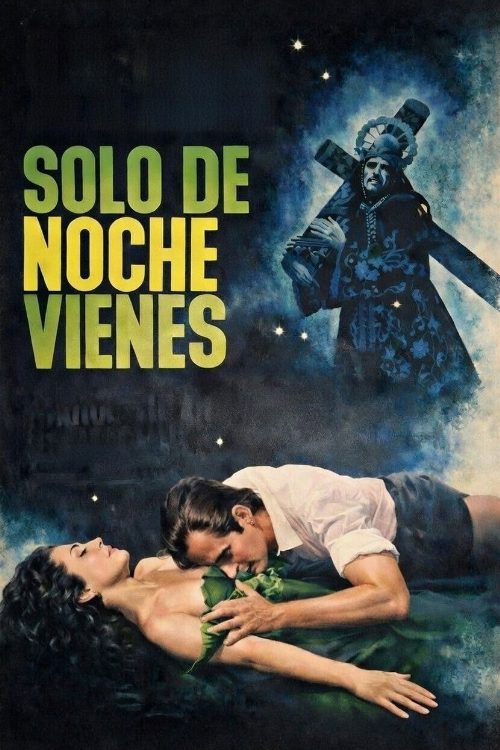
You Only Come at Night(1966)
About You Only Come at Night
During a visit to Guatemala for Holy Week, tourist Andrés falls in love with a mysterious woman who hides her identity and marital status, rawing him into a web of secrets, deception and tragedy.
The 1966 Spanish language drama You Only Come at Night offers a haunting glimpse into the intersection of vacation escapism and the dark undercurrents of forbidden romance. Set against the backdrop of Guatemala during the solemnity of Holy Week, the narrative follows a traveler named Andres who finds himself inexplicably drawn to a woman of profound mystery. While the setting suggests the vibrant pageantry of religious observance, the film pivots sharply into a psychological exploration of obsession. By stripping away the warmth typically associated with travel cinema, the production crafts an atmosphere of mounting anxiety where the protagonist finds his idyllic trip transformed into a labyrinthine struggle with truth and hidden intentions.
This film serves as a fascinating relic of mid-century international cinema, capturing a period when the thriller genre began to lean heavily into the existential dread of the individual rather than mere plot mechanics. For audiences familiar with the intense emotional landscapes of modern Indian cinema, where the atmosphere often dictates the heartbeat of a mystery, this title provides a compelling historical parallel. It functions much like the brooding, noir-inspired psychological dramas that occasionally emerge from the independent corners of the Malayalam or Hindi film industries, prioritizing mood and character vulnerability over traditional action beats. The performance of Julio Aleman is particularly noteworthy here, as he anchors the narrative with a palpable sense of confusion that mirrors the audience own uncertainty regarding the true nature of his romantic interest.
Viewers who gravitate toward slow-burn storytelling and atmospheric tension will find much to admire in this vintage production. It is a work designed for those who appreciate cinema that lingers on the unspoken, relying on subtle shifts in lighting and performance to heighten the stakes. Because the film avoids the frantic pacing of contemporary thrillers, it allows for a deeper immersion into the protagonist’s deteriorating sense of reality. As a piece of mid-sixties filmmaking, it stands as a testament to the power of location-based storytelling, using the unique cultural environment of Guatemala to isolate its characters. Fans of classic suspense who enjoy exploring international archives will likely find this an essential watch, as it maintains a distinct, shadowy elegance that remains effective even decades after its original release. This is not merely a story about a fleeting encounter, but a darker observation on how easily a stranger can dismantle one’s perception of the world.