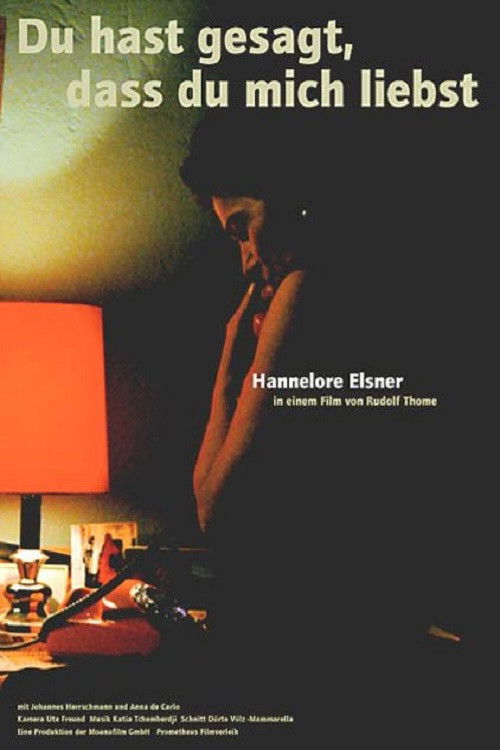
About You Told Me, You Love Me
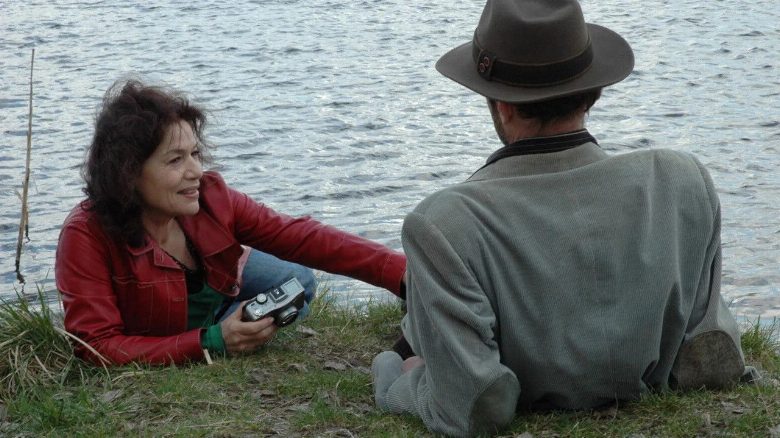
Former swimming champion Johanna, now a pensioner, finds her life changes completely when she answers a lonely hearts ad and meets writer Johannes.
Navigating the delicate landscape of human connection during one’s later years, the German drama You Told Me, You Love Me offers a refreshingly understated look at the unpredictability of romance. While global cinema often fixates on the frantic energy of youth, director Rudolf Thome chooses a more patient, observational style that captures the rhythmic intimacy of two lives intersecting long after the traditional milestones of adulthood have passed. By focusing on a retired athlete who decides to step outside her comfort zone via a personal advertisement, the film avoids the typical tropes of sentimental melodrama, instead crafting a grounded portrait of vulnerability. It stands as a testament to the idea that the capacity for emotional discovery remains constant throughout the various chapters of life, regardless of how much time has already been spent.
For enthusiasts of Indian cinema who appreciate the recent shift toward nuanced, character-driven narratives seen in contemporary Malayalam or indie Hindi films, this German production provides a fascinating parallel. Much like the quiet, atmospheric storytelling that has gained traction in regional Indian industries, this movie relies on the unspoken chemistry between its leads rather than grand plot twists or high-stakes drama. The performance by Hannelore Elsner is particularly noteworthy, as she imbues her character with a quiet dignity and a relatable curiosity that anchors the entire experience. It is a film for the viewer who prefers the slow burn of psychological exploration over the spectacle of action, finding beauty in the small gestures and conversations that define a budding relationship.
Rudolf Thome brings a distinct European sensibility to this project, stripping away artifice to examine how people in their sunset years negotiate trust and expectation. In a cinematic landscape that frequently demands constant narrative momentum, this film feels like a meditative exhale. It invites the audience to slow down and consider the complexities of companionship without the pressure of a ticking clock. Whether you are a fan of classic European auteur cinema or simply someone interested in stories that treat the elderly as complex, evolving individuals, this piece serves as a poignant reminder that the search for meaning is never truly over. It successfully captures the hesitation and eventual courage required to open one's world to a stranger, making it a timeless study of the human condition that transcends its specific cultural origins.