About A Catholic Schoolgirl
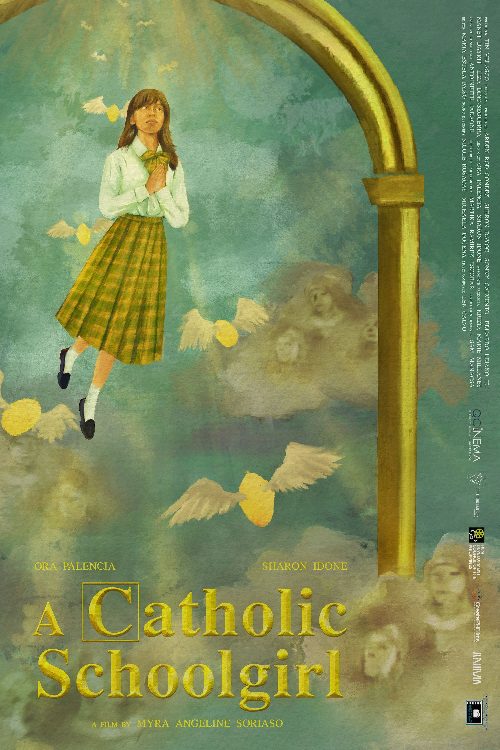
A 15-year-old A-student defies the views of her all-girls Catholic school as she confronts her feelings for a school nun.
Navigating the turbulent waters of adolescence requires a specific kind of courage, especially when personal discovery clashes with the rigid expectations of a traditional upbringing. In A Catholic Schoolgirl, director Myra Angeline Soriaso crafts a delicate exploration of longing that transcends the simple tropes of the coming of age genre. By centering the narrative on a high achieving student whose internal world begins to drift away from the strictly prescribed moral curriculum of her institution, the film positions itself as a poignant study of isolation and quiet rebellion. It captures that fragile moment when a young person realizes that the systems meant to shape them are fundamentally at odds with the truth they are beginning to uncover within themselves.
The film stands out for its atmospheric approach to the pressures of an all girls religious environment, where silence often carries as much weight as spoken words. While the Telugu film industry and the broader Indian cinema landscape have seen an increase in nuanced portrayals of identity and social questioning, this project feels notably intimate and restrained. It avoids the bombast often associated with mainstream dramas, opting instead for a lens that focuses on the subtle interplay of gaze and hesitation. Sharon Idone delivers a performance that relies on guarded expressions and internal shifts, grounding the audience in the perspective of a girl who is terrified yet undeniably drawn to a connection that society deems forbidden.
Viewers who gravitate toward character driven cinema that prioritizes emotional authenticity over plot twists will likely find this work deeply resonant. It is a film for those who appreciate the slow burn of psychological tension and the beauty of unspoken desire. By focusing on the specific power dynamics inherent in a school setting, Soriaso invites the viewer to reflect on the tension between institutional authority and individual autonomy. This film serves as a reminder that the most significant battles are often fought in the quiet corners of our private lives, away from the gaze of mentors and peers. It is an essential watch for anyone interested in how contemporary filmmakers are expanding the vocabulary of romantic and existential discovery within regional storytelling.