About An der Schönen Blauen Donau
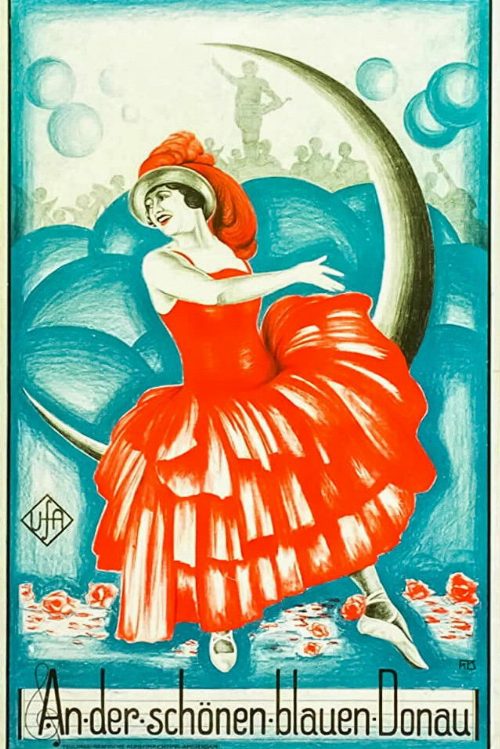
Stepping into the vibrant world of silent European cinema feels like unearthing a time capsule of wit and visual elegance, especially when revisiting Frederic Zelnik’s 1926 production An der Schoenen Blauen Donau. While modern audiences often associate the golden age of German film with dark expressionist shadows or brooding psychological dramas, this feature serves as a refreshing reminder that Weimar-era creators were equally adept at crafting lighthearted, rhythmic escapism. By anchoring its narrative in the lighthearted spirit of the waltz, the film captures a specific cultural preoccupation with Viennese charm that was immensely popular during the mid-twenties. It stands as a testament to the era's sophisticated approach to physical comedy and romantic entanglements, relying on the expressive capabilities of actors like Harry Liedtke rather than dialogue to drive the humor home.
For viewers who appreciate the evolution of the romantic comedy genre, this film offers a fascinating look at the structural blueprints that would eventually define global cinema. Much like the contemporary trend in Indian regional industries, where directors often blend regional folklore with universal themes of courtship and societal expectation, Zelnik excels at translating local cultural identity into a broadly accessible language of gesture and glance. The film functions as a rhythmic exploration of social graces, positioning its ensemble cast in a series of escalating misunderstandings that feel remarkably familiar to anyone who enjoys classic screwball tropes. It is an ideal pick for students of film history or casual enthusiasts who find comfort in the gentle pacing and stylized performances that characterized the final years of the silent era.
The decision to lean into the thematic weight of a famous musical composition demonstrates how early directors utilized auditory associations to elevate the emotional stakes of a silent narrative. Zelnik, who established a reputation for navigating various genres with stylistic fluidity, manages to infuse the production with a sense of playful sophistication. His direction ensures that the humor remains rooted in character dynamics rather than cheap gags, allowing the romantic tension to simmer naturally against the backdrop of an idealized cityscape. Fans of European period pieces will likely find the production design and costume work particularly engaging, as they meticulously recreate the opulence of the time. By focusing on the interplay of social status and romantic pursuit, the film maintains a timeless appeal that transcends its original language, confirming that the art of the charming misunderstanding is a truly universal endeavor.