
About Chaman Bahaar
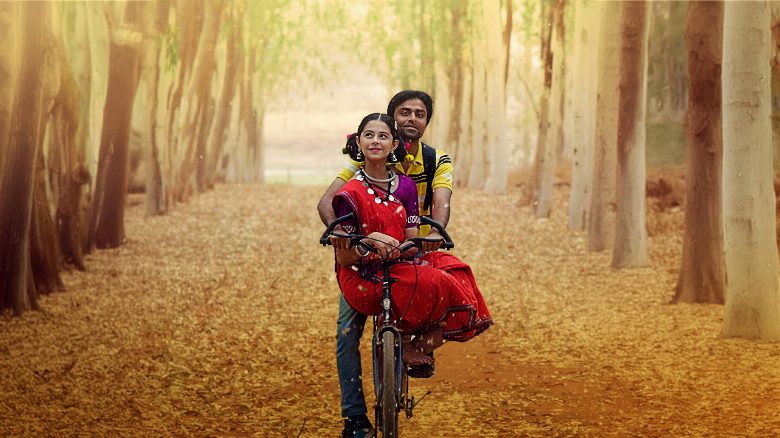
An ambitious young man, in a small town in Central India, sets up a paan shop to a floundering start. His fortunes start to change dramatically when a family shifts in the house across the road. Hordes of boys start following the teenage girl from the family and set up an "adda" at Billu's shop. His business flourishes tremendously but Billu is now more unhappy than ever, as he has fallen for the girl himself!
Nestled within the sun-drenched, dusty streets of a small town in Chhattisgarh, Chaman Bahaar captures the peculiar blend of longing and social friction that defines coming of age in heartland India. While many Hindi films focus on grand urban romances, this production opts for a quieter, more observational path, centering its narrative on the mundane environment of a roadside tobacco kiosk. The story leans heavily into the voyeuristic dynamics of youth, exploring how a simple commercial venture can unexpectedly morph into a hub for local infatuation. It is a film that finds its strength in the stillness of its setting, relying on the awkwardness of unrequited affection rather than high-octane drama to pull the audience into the protagonist's orbit.
The film serves as a compelling vehicle for Jitendra Kumar, an actor who has carved a niche for himself by portraying the quintessential small-town dreamer with remarkable vulnerability. His performance here anchors the narrative, transforming a potentially one-note character into a relatable figure struggling with the complexities of ownership and desire. As a piece of regional storytelling, the movie mirrors a growing trend in Indian cinema where filmmakers are increasingly looking toward the interiors of the country to find stories that feel authentic and lived-in. By focusing on the unspoken social hierarchy of a neighborhood alleyway, director Apurva Dhar Badgaiyann crafts a portrait of obsession that feels both deeply intimate and broadly representative of the provincial experience.
Viewers who enjoy character-driven dramas that prioritize atmosphere over rapid plot progression will likely find much to appreciate in this tale. It is a thoughtful exploration of how a quiet life can be disrupted by the sudden arrival of a new face, forcing a protagonist to confront his own insecurities and the possessive nature of his peers. The film avoids the temptation to turn into a sprawling romantic epic, choosing instead to remain grounded in the narrow confines of its central location. For those who appreciate the subtle nuances of human behavior, this story offers a poignant look at the restlessness of youth and the complicated reality of watching the person you admire from a distance. It is a contemplative watch that lingers long after the final frame, perfect for those seeking a nuanced alternative to mainstream commercial cinema.