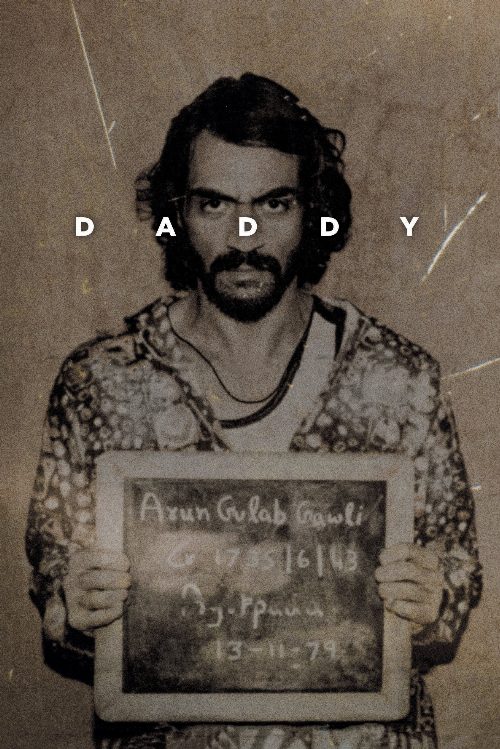
About Daddy
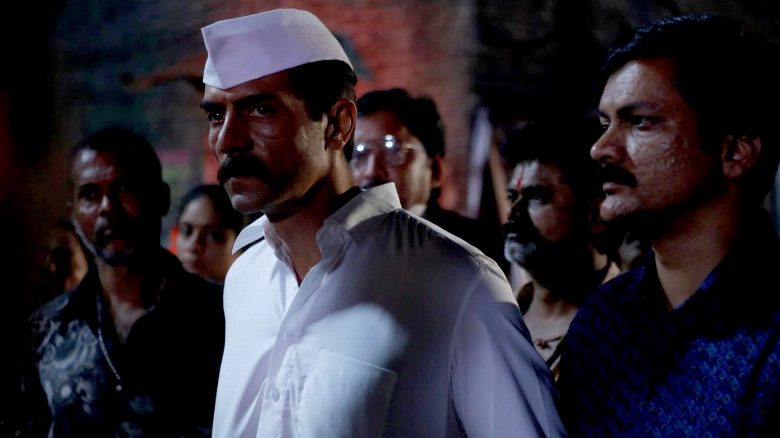
This is the gritty and sensational true story of Arun Gulab Gawli, a mill worker’s son who grew up in Mumbai’s impoverished Dagdi Chawl, to become an infamous don, politician and chief rival of the most powerful crime boss of the day, Dawood Ibrahim. Daddy realistically charts Mumbai’s true crime history from the 1970s and 1980s until 2012, when Gawli was finally sentenced to life imprisonment.
The transformation of the Mumbai underworld from a collection of neighborhood gangs into a complex syndicate remains one of the most compelling chapters in the history of Indian cinema. In the 2017 feature Daddy, the narrative lens shifts away from the glamorous or flashy portrayals of crime often seen in mainstream Bollywood, choosing instead to anchor itself in the claustrophobic and raw reality of the Dagdi Chawl. By focusing on the trajectory of Arun Gawli, the film moves through the volatile decades of the late twentieth century, capturing a period where the social fabric of the city was dictated by shifting loyalties and brutal street-level power struggles. This is not merely a story of a mobster, but a portrait of how systemic displacement and local identity can forge a man who eventually straddles the line between a feared criminal figure and a populist political leader.
The performance at the center of the film is a masterclass in controlled intensity. By stripping away the tropes of the typical larger than life gangster, the production creates a cold, atmospheric aesthetic that feels grounded in authentic period detail. It serves as a stark contrast to the heightened stylization found in many contemporary crime dramas, opting for a documentary-like observation of the protagonist’s rise. Viewers who appreciate slow-burn character studies and historical biopics will find this exploration of the Gawli legacy particularly engaging. It avoids the temptation to romanticize the life of an outlaw, instead presenting a clinical look at the consequences of living within a violent ecosystem where the boundaries between law enforcement and criminal activity were constantly blurring.
For those tracking the evolution of the Hindi film industry, this project stands as a notable entry in the genre of biographical crime sagas. It demands patience from the audience, rewarding them with a nuanced depiction of the systemic pressures that shaped the underworld landscape of Mumbai. The film is perfectly suited for spectators who prefer their stories steeped in socio-political context rather than traditional hero-villain dynamics. By focusing on the internal mechanics of a specific neighborhood power structure, the director provides a window into a bygone era of the city, making it a essential watch for anyone interested in the intersection of real-life crime chronicles and cinematic storytelling. It remains a definitive piece for those who want to understand the complex, multi-layered history of the men who once controlled the streets of the financial capital.
Cast(11)