Darling of the Regiment(1931)
About Darling of the Regiment
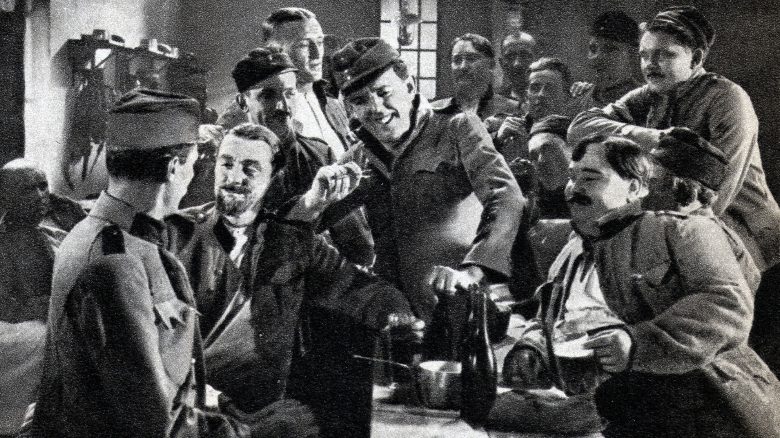
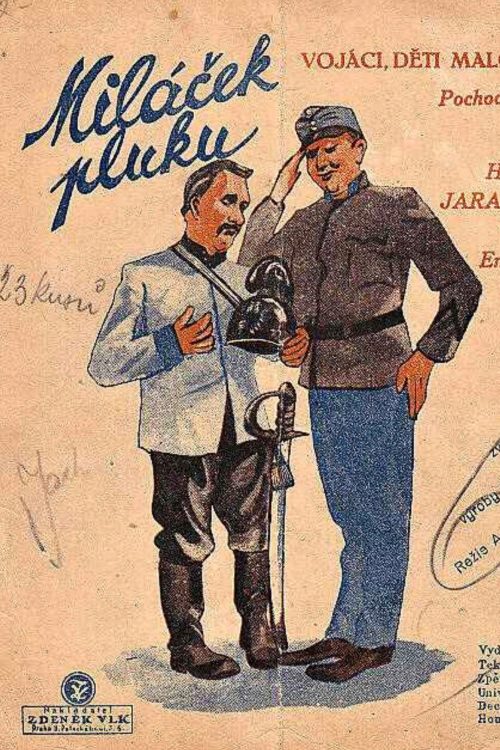
E. A. Longen's return to the director's chair after 20 years: The story is about reservists on a military exercise. Non-soldier Kohout has to pose as an officer because he is representing his "busy" employer.
The dawn of the sound era in European cinema brought a unique wave of lighthearted musical comedies that captured the public imagination, and Darling of the Regiment remains a fascinating artifact of this transitional period. Directed by E. A. Longen, who made a highly anticipated return to filmmaking after a two-decade hiatus, this production leans heavily into the chaotic energy of early talkies. At its core, the film explores the absurdity of military bureaucracy through the lens of mistaken identity. When a civilian finds himself unexpectedly thrust into a reservist training exercise, he is forced to adopt the mantle of an officer to cover for his employer. This premise serves as a perfect vehicle for the physical comedy and rhythmic musical numbers that defined the popular entertainment of the early 1930s, offering a glimpse into a time when cinema was rapidly learning how to marry dialogue with song.
For enthusiasts of global film history, this work offers a compelling look at how regional industries were adapting to the newfound demand for synchronized sound. Much like the burgeoning film industries in India, where early talkies were also experimenting with blending theater, music, and social satire, this Czechoslovakian comedy demonstrates a universal appeal in its depiction of the little guy struggling against rigid institutional hierarchies. The casting of Jara Kohout provides the film with its necessary charismatic anchor, as his ability to navigate the precarious social maneuvers required by his double life drives the narrative momentum. It is a quintessential example of how directors of the silent era grappled with the structural changes brought by the shift to audio, often relying on established vaudevillian tropes to keep audiences engaged.
Viewers who enjoy classic screwball comedies or historical period pieces will find much to appreciate in the lighthearted atmosphere of this production. It is not merely a military satire but a commentary on the rigid class structures of the era, viewed through the distorting mirror of farce. While modern viewers might find the pacing distinct from today’s rapid-fire editing, there is an undeniable charm in the theatrical performances and the earnest attempts to push the limits of early sound technology. Longen provides a masterclass in staging, ensuring that the humor is derived as much from the awkward silence of a secret slipping out as it is from the music itself. Whether one is a dedicated cinephile interested in the evolution of European comedy or simply someone who appreciates the foundational works of the twentieth century, this film stands as a testament to the enduring power of a well-told case of mistaken identity.
Cast(13)