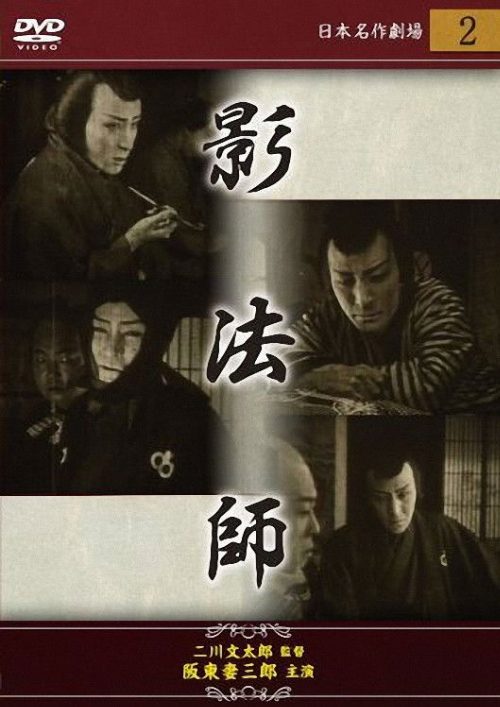
About Edo kaizoku-den : Kagebôshi
Kageboshi, based on the screenplay by Rokuhei Rokuhei Susukita, depicts the life of the ‘jovial thief’, Kageboshi.
Stepping back into the silent era of Japanese cinema reveals a fascinating bridge between traditional folklore and the birth of the modern action hero. Edo kaizoku-den Kageboshi stands as a landmark piece of filmmaking from 1925, capturing a period when the burgeoning Japanese film industry was rapidly defining its own unique visual language. Directed by Buntaro Futagawa, this production highlights the immense screen presence of Tsumasaburo Bando, an actor whose physical dexterity and expressive performance style were pivotal in cementing the jidaigeki, or period drama, as a cornerstone of national entertainment. While contemporary audiences might be accustomed to the high-octane pacing of modern Indian cinema, there is a rhythmic, almost dance-like quality to the choreography here that suggests an early blueprint for the hero-centric action spectacles we celebrate today.
The narrative centers on a charismatic figure operating within the shadows of old Edo, blending elements of Robin Hood-esque heroics with the intricate social hierarchies of the time. What makes this film particularly compelling for students of global cinema is its commitment to the archetype of the noble outlaw. By focusing on a character who defies authority to serve the common man, the story taps into a universal human desire for justice that feels just as relevant in a blockbuster from the Telugu industry today as it did in the silent theatres of Taisho-era Japan. The film manages to balance its lighthearted, adventurous tone with a sophisticated understanding of character motivation, ensuring the protagonist remains relatable even as he performs impossible feats of evasion and combat.
Viewers who appreciate the stylistic evolution of martial arts cinema or those interested in how early global industries handled themes of rebellion and identity will find much to admire here. Tsumasaburo Bando delivers a performance that transcends the limitations of silent film, utilizing his entire frame to communicate conflict and resolve. For those who track the development of the action genre across borders, this Buntaro Futagawa classic serves as a vital historical touchstone. It represents a moment when directors began to push the boundaries of what a camera could capture, moving away from theatrical stage traditions toward a more fluid, cinematic form of storytelling. This remains an essential watch for anyone looking to understand the roots of the heroic character tropes that continue to dominate screens from Mumbai to Tokyo, providing a window into the foundational rhythms of the action epic.
Cast(7)


Crew
Director
Producer
Director of Photography
Screenplay
Similar Films