
About Hasani
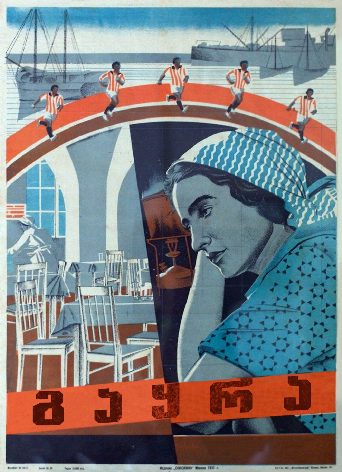
The film tells the story of a hard-working and unfruitful life of a peasant from Adjara in the 1930s, who is forced to serve others to avoid starvation and destruction.
Stepping back into the formative years of regional cinema, Hasani offers a poignant window into the socio-economic struggles of the early twentieth century that feels strikingly relevant even to modern audiences accustomed to contemporary social dramas. Produced in 1932, this film marks a significant moment in the evolution of storytelling within the Georgian landscape, capturing the stark realities of rural existence with a level of grit that was ahead of its time. While the Indian film industry today frequently explores the struggles of the working class through high-octane political narratives or grounded neorealist tales, this vintage production serves as a foundational ancestor to those themes. It centers on the relentless cycle of labor and survival, focusing on a protagonist who finds himself trapped in a cycle of servitude just to keep his household afloat during a period of immense regional instability.
Director Kote Mikaberidze demonstrates a sophisticated command of visual storytelling, favoring atmosphere and character vulnerability over the melodramatic tropes that dominated much of the international cinema scene during that era. The performance by the lead cast, particularly the portrayal of the central peasant figure, eschews theatrical excess in favor of a weary, lived-in realism. This approach allows the film to transcend its specific historical setting, becoming a universal meditation on the dignity of the common man amidst institutional indifference. For cinephiles who appreciate the evolution of global filmmaking, the work acts as a vital bridge between silent-era techniques and the burgeoning desire for more authentic, character-driven narratives that define much of the acclaimed output from the Kannada or Malayalam industries today.
Viewers who gravitate toward period dramas that prioritize emotional resonance over grand spectacle will find this piece particularly compelling. It is a slow-burn experience that asks its audience to sit with the weight of the protagonist's decisions, making it an ideal choice for those who value the historical preservation of cultural narratives. By documenting the specific hardships faced by the Adjarian population, the film provides more than just entertainment; it offers a historical record of resilience in the face of systemic collapse. As global audiences continue to rediscover the richness of early international cinema, this film stands as a testament to the power of a simple, honest story to communicate deep-seated human truths across generations, reminding us that the struggle for autonomy is a timeless subject that connects the rural experiences of the past with the social consciousness of the present.