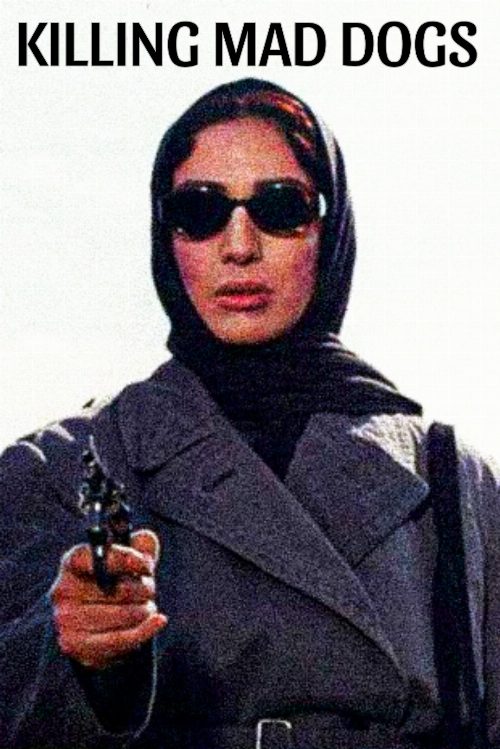
About Killing Mad Dogs
Golrokh, an Iranian author, struggles to settle her husband's debts caused by a business partner who left him to bear the consequences.
Iranian cinema has long been celebrated for its ability to weave profound social commentary into the fabric of suspenseful storytelling, and Killing Mad Dogs stands as a quintessential example of this aesthetic power. Directed by the legendary Bahram Beyzai, the film serves as a scathing exploration of systemic corruption and the precarious nature of personal agency within a rigid legal and social framework. The narrative centers on a woman named Golrokh, whose journey to liberate her spouse from financial ruin acts as a lens through which the audience examines the institutional obstacles facing individuals in Tehran. Unlike standard thrillers that prioritize visceral action, this piece relies on a mounting sense of psychological pressure and bureaucratic entrapment, reflecting the director's signature style of blending theatrical precision with grounded cinematic realism.
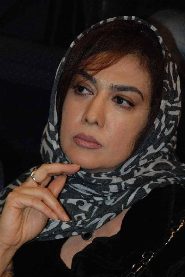
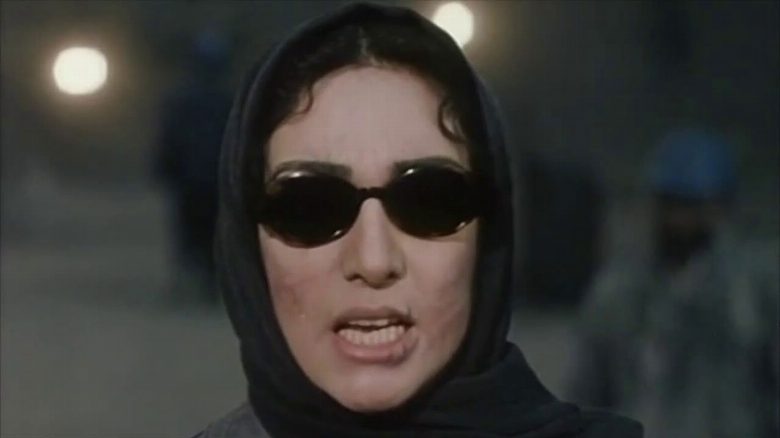
The film is particularly notable for its portrayal of Mozhdeh Shamsai, who delivers a performance defined by resilience and intellectual defiance. By placing a female protagonist at the heart of a narrative traditionally dominated by male power structures, the story creates a compelling friction that resonates far beyond its regional roots. The struggle to reconcile personal integrity with the predatory demands of business associates and indifferent authorities provides a universal hook for global cinephiles. Viewers who appreciate the cerebral intensity of classic neorealism mixed with the tension of a high-stakes drama will find this work both challenging and rewarding. It captures a specific moment in the Iranian cultural landscape where the transition toward modernity often clashed violently with traditional expectations.
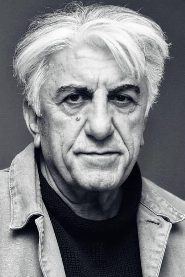
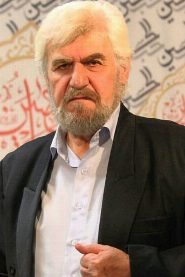
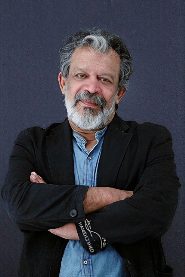
For those interested in the evolution of Persian-language storytelling, this film is an essential study of how character-driven dramas can mirror the complexities of a nation. The supporting cast, featuring stalwarts like Dariush Arjmand and Reza Kianian, adds layers of grit and authenticity to the unfolding legal nightmare. It is a film that demands patience and rewards it with a sophisticated critique of greed and the courage required to navigate a landscape built on deception. While it functions as a standalone thriller, it also serves as a testament to the enduring influence of its creator, who remains a giant of the medium. Whether you are a newcomer to Iranian cinema or a seasoned follower of world film festivals, the intricate plotting and thematic depth here offer a masterclass in how to build tension without relying on conventional genre tropes.
Cast(15)