Main Awara Hoon(1983)
About Main Awara Hoon
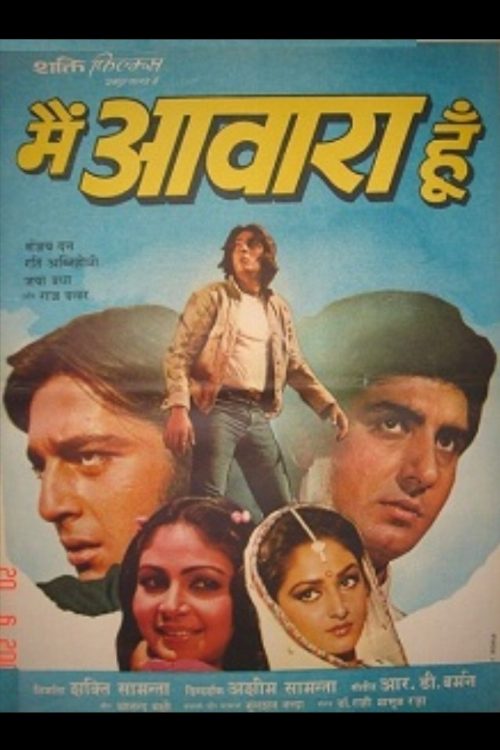
Widowed Dinanath Kumar lives a poor lifestyle in Poona with two sons, Rajeev & Sanjeev; daughter, Payal; and widowed sister, Kalawanti. He has great hopes for Rajeev who he has got educated, but is very disappointed with Sanjeev, who works as a Garage Mechanic with Tahir Khan, and is always disruptive and in trouble. Matters rise to such an extend that the Police arrest Sanjeev for setting fire to the house of Premnath and nearly killing him.
Main Awara Hoon stands as a compelling artifact of early eighties Hindi cinema, capturing a specific era where the archetypal rebel son became a recurring fixture of the urban family drama. Directed during a time when the industry was shifting from the grand, multi-starrer epics of the seventies toward more grounded, character-focused narratives, this film explores the volatile friction between traditional parental expectations and the restless energy of youth. By positioning Sanjay Dutt as the misunderstood protagonist navigating a world that refuses to see his potential, the story touches upon the universal tension found in many domestic Indian sagas of that period. It moves beyond a simple tale of delinquency, inviting the audience to witness the internal fractures of a household struggling to maintain its dignity under the weight of financial hardship and social stigma.
The film distinguishes itself by focusing on the stark contrast between two brothers, a classic motif in Indian storytelling that serves here as a vehicle for exploring class aspirations and moral integrity. While one sibling represents the path of academic achievement and social approval, the other embodies the grit and unpredictability of the working class. This thematic divide is bolstered by a strong ensemble cast, with Raj Babbar and Jaya Prada providing the emotional anchor that balances the more turbulent sequences. For viewers who appreciate the dramatic sensibilities of the post-emergency era, the film offers a nostalgic look at the gritty realism that filmmakers were beginning to experiment with, blending family values with the inevitable rise of the angry young man trope that defined the careers of so many leading actors of the time.
Fans of retro Bollywood will likely find the production’s focus on the bond between siblings and the crushing pressure of filial duty particularly resonant. It is a quintessential middle-class drama that utilizes its setting to emphasize the vulnerability of a family pushed to the brink by unfortunate circumstances. Rather than leaning solely into action, the narrative prioritizes the psychological toll of being labeled a troublemaker, making it an engaging watch for those interested in the evolution of character archetypes in Hindi film history. Whether one is a dedicated archivist of eighties cinema or simply a fan of high-stakes family dynamics, this feature serves as a significant chapter in the broader narrative of Indian film, highlighting how personal redemption remains a central, enduring pursuit in the stories that have shaped our cultural landscape for decades.