Passions For The Mammoth(2019)
About Passions For The Mammoth
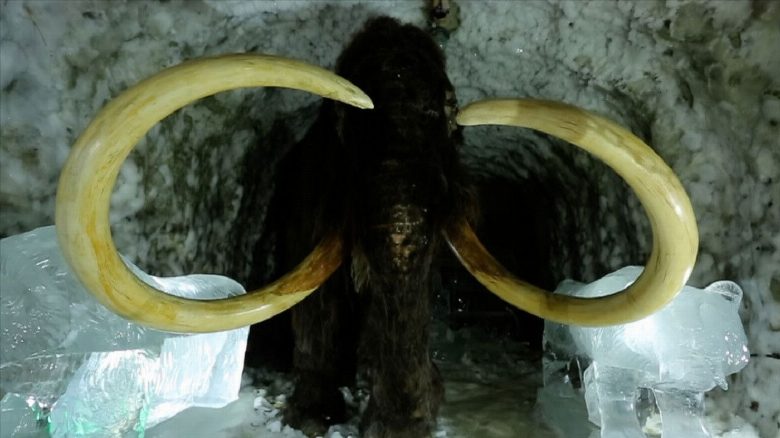
Ivory harvesting under the extreme conditions of the Russian Far North is slowly but surely turning into a sort of a «mammoth rush». However, as the demand grows, so does social tension in the area.
Deep within the frozen expanse of the Russian Far North, a peculiar and perilous industry has emerged that mirrors the gold rushes of centuries past. Passions For The Mammoth captures the stark reality of individuals braving subzero temperatures and unforgiving terrain to exhume the remains of extinct giants. This documentary serves as a compelling study of human desperation and ambition, documenting how the search for ancient ivory has transformed from a niche activity into a widespread economic phenomenon. By focusing on the laborers who dedicate their lives to this icy treasure hunt, the film sheds light on the high stakes involved in a trade that is as physically taxing as it is ethically complex.
For audiences familiar with the gritty, reality-based narratives often found in regional Indian cinema, such as the survivalist dramas coming out of the Malayalam or Kannada industries, this documentary will feel hauntingly relatable. Much like films that examine the exploitation of natural resources or the struggles of the working class against harsh environments, this piece emphasizes the friction between communal stability and the lure of quick wealth. As the market for these prehistoric remains expands, the resulting social fractures within these remote settlements provide a sobering look at how global demand trickles down to disrupt the lives of those on the front lines. It is a portrait of a landscape where the past is literally being mined to fuel the present.
Viewers who gravitate toward observational filmmaking and environmental journalism will find this project particularly engaging. The director eschews sensationalism, opting instead for a deliberate pace that mirrors the slow, grueling nature of the excavation process itself. By allowing the subjects to speak for themselves against the backdrop of an endless, desolate horizon, the film invites viewers to reflect on the cost of our obsession with rare materials. Whether you are a fan of immersive visual storytelling or someone interested in the anthropological impact of resource extraction, this work stands out as an essential watch. It succeeds in bridging the gap between a regional curiosity and a universal commentary on the fragility of local ecosystems when faced with the relentless pressure of global trade.