About The Letter
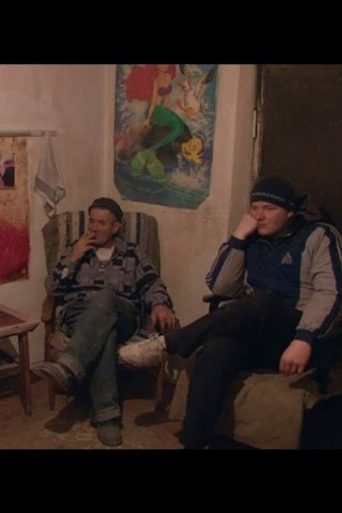
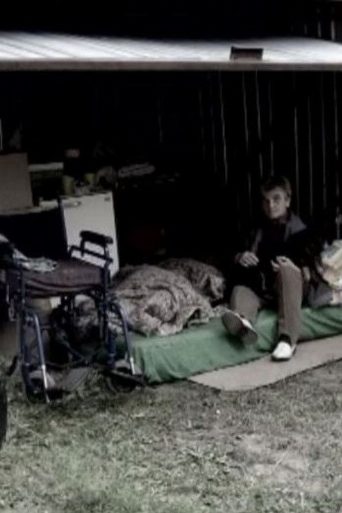
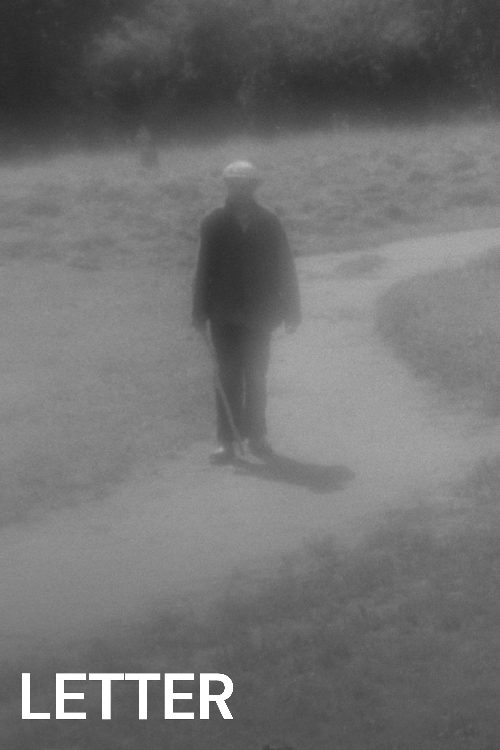
A remote village in the Northwest of Russia. A mental asylum is located in an old wooden house. The place and its inhabitants seem to be untouched by civilization. In this pristine setting, no articulate human voice is heard, and pain is muted. The landscapes and buildings are not so much inhabited as lightly entwined and then passed through by their anonymous residents, like some creeping mist. Phantoms half stuck, half undone in a phantom world—lost persons from a lost society?
Sergei Loznitsa has long established himself as a master of observational cinema, and his 2013 documentary The Letter serves as a haunting testament to his ability to capture the periphery of human experience. Set within the crumbling structures of a remote psychiatric facility in the Russian Northwest, the film eschews traditional narrative structures or voiceover commentary to instead immerse the viewer in a visual meditation on isolation. By focusing on the intersection of forgotten lives and the deteriorating architecture that houses them, Loznitsa constructs an atmosphere that feels less like a clinical study and more like an ethereal encounter with a reality that the modern world has largely abandoned. The film is a stark departure from the fast paced commercial cinema often championed in the mainstream, demanding a level of patience and introspection that is rare in contemporary documentary filmmaking.
The cultural gravity of the work lies in its portrayal of a society existing in the shadows of post Soviet decay, where the inhabitants of the asylum appear as specters drifting through a landscape that time has rendered obsolete. For audiences accustomed to the vibrant, high energy storytelling found in Indian regional cinema, this film offers a radical stylistic pivot. It functions as a somber companion to the neorealist tradition, echoing the quiet desperation often seen in the works of filmmakers who prioritize visual language over dialogue. The lack of an articulate human voice is a deliberate artistic choice, forcing the audience to interpret the internal states of the residents through their movements, their environment, and the persistent silence that defines their existence.
Viewers who gravitate toward films that challenge the boundaries between reality and abstraction will find this experience deeply resonant. It is not merely a document of a specific place but a philosophical inquiry into the nature of memory and the fragility of the human condition. While the subject matter is undeniably heavy, the cinematography captures the beauty of the desolate Russian landscape with such precision that it elevates the mundane to the level of high art. For those who appreciate the austere elegance of European documentary traditions, The Letter remains an essential watch. It stands as a profound reminder of the stories that persist in the margins, waiting to be acknowledged by those willing to look closely at the stillness of a world left behind.