Shell(2008)
About Shell
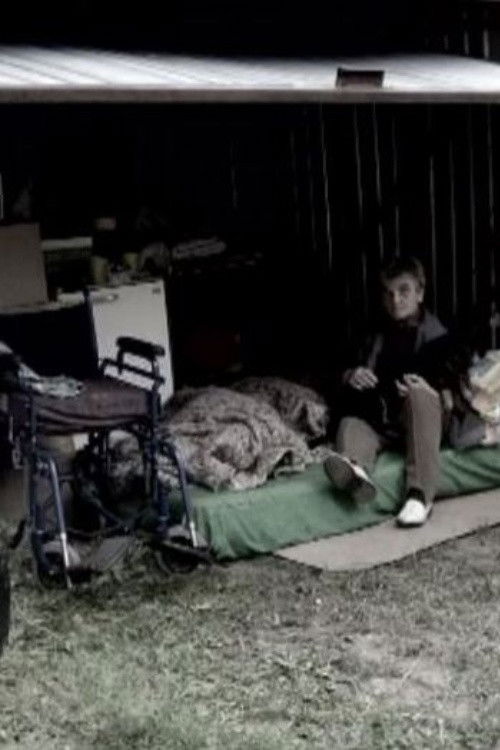
"Shell" is the common name for a dismantling garage. But more than a third of the shells are used for other purposes. Pensioners Karasevs lived in a shell for 79 days, and almost died. What happened in Moscow in 2006?
In the sprawling, concrete labyrinth of post-Soviet Moscow, the humble garage structure transcends its utilitarian purpose to become a haunting microcosm of urban survival. While most residents view these metallic boxes as simple storage for aging vehicles, the documentary Shell unveils a stark reality where these cramped, windowless environments transform into desperate living quarters for the citys most vulnerable citizens. By focusing on the harrowing experience of the Karasev couple, who endured nearly three months trapped within the stifling confines of a dismantling bay, the film exposes the brutal intersection of extreme poverty and bureaucratic neglect in the mid-2000s. It is a sobering look at how the architecture of a city can reflect the displacement of its own people, turning steel containers into makeshift cages that test the limits of human endurance.
For audiences accustomed to the polished narratives of mainstream cinema, this documentary serves as an unsettling departure from conventional storytelling. It demands patience and empathy, inviting viewers to confront the invisible struggles hidden behind rows of uniform, rusted garage doors. The film is particularly compelling for those interested in social realism and the sociological shifts of Moscow during a period of rapid economic transition. By grounding its narrative in the intimate, claustrophobic lives of its subjects, the work avoids becoming a dry sociological study and instead evolves into a poignant character portrait. It captures the raw tension of existence on the margins, where the line between a storage space and a home blurs into a fight for basic dignity.
The documentary stands out for its observational approach, which remains detached yet deeply observant of the quiet tragedies unfolding in the shadows of the capital. It aligns with a tradition of gritty, independent nonfiction that seeks to document the forgotten narratives of the modern world. Viewers who gravitate toward films that challenge their perception of urban space or who appreciate the quiet, observational style of European documentary filmmaking will likely find this project both illuminating and deeply difficult to watch. It is a testament to the power of the camera to reveal the hidden fractures in a society, reminding us that even the most mundane structures in our landscape can hold stories of profound suffering and resilience. This is a must-watch for those who view cinema as a tool for bearing witness to the realities that city planners and officials often choose to ignore.