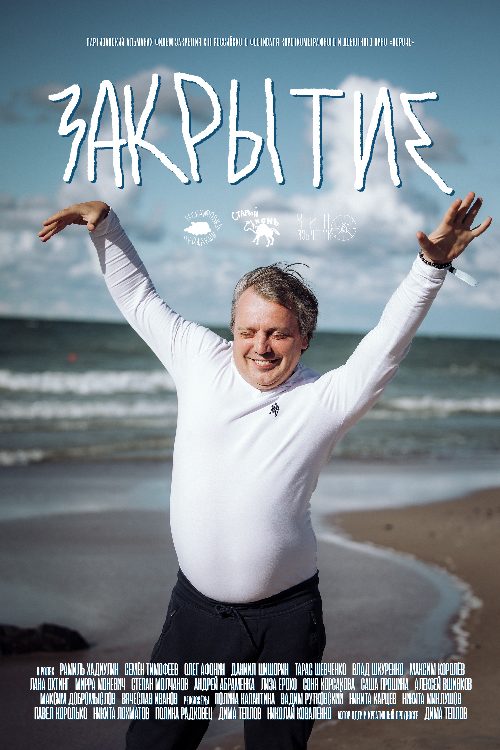
About Закрытие
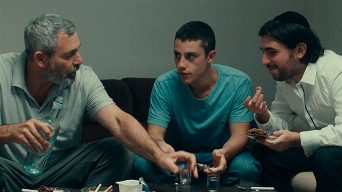
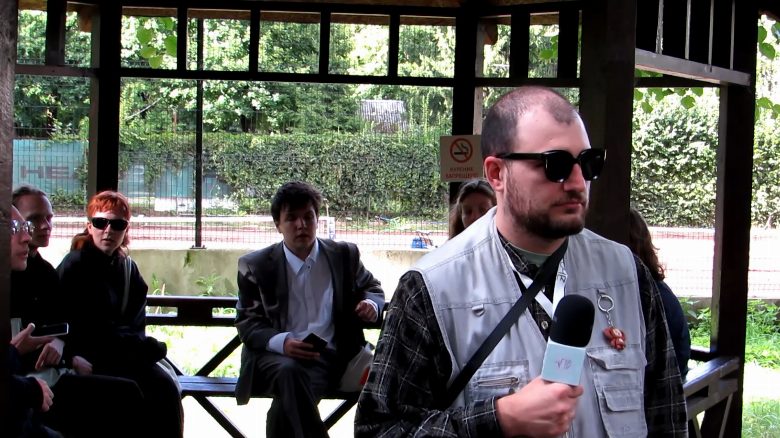
"Closing" is a film almanac made up of nine verses. Instead of a rap beat, there is beer, rain, a beach, a zoo, random conversations, and a city that lives its own life. These are not stories with a beginning and an end, but statements written into the rhythm of the festival, where cinema becomes a way to be together and a way to be alone. Any almanac is a film cypher: everyone goes to the microphone, says their piece, and leaves, leaving room for someone else. "Closing" is exactly that: a collection of voices in which you can hear laughter, fatigue, love, and meaninglessness. This is a film about how cinema closes the day and opens the night.
The cinematic landscape often leans toward rigid, three-act structures, yet Zakrytie emerges as a refreshing departure by embracing the fluid, spontaneous nature of human existence. This Russian production functions less like a traditional narrative and more like a captured mood, weaving together nine distinct segments that prioritize atmosphere over linear progression. By trading formal plot beats for snapshots of urban life, the film captures the texture of rain-slicked streets, the camaraderie of casual gatherings, and the quiet isolation found within a bustling zoo. It acts as a digital diary of sorts, where the rhythm of the city dictates the pacing rather than a forced screenwriting formula, making it a compelling experiment for those who appreciate experimental storytelling that mirrors the unpredictability of a single day.
For audiences accustomed to the high-energy song-and-dance spectacles common in Indian regional industries, this film offers a stark, meditative contrast. While Telugu or Tamil cinema often utilizes music as a grand, choreographed emotional anchor, Zakrytie treats sound and performance as raw, unpolished fragments of reality. The ensemble cast, including Oleg Afonin and Ramil Khadiulin, navigates these vignettes with a naturalistic style that underscores the project's documentary-leaning aesthetic. It is a work that values the philosophy of the moment, inviting viewers to find significance in the mundane—the clinking of glasses or the fleeting conversations that occur under a fading sky. This approach aligns with a growing global trend toward minimalist, auteur-driven cinema that seeks to strip away artifice to reveal something more intimate and human.
This feature is best suited for viewers who enjoy contemplative cinema and are willing to engage with a non-traditional format. It demands patience and a willingness to embrace ambiguity, positioning itself as a piece of art that invites personal interpretation rather than delivering a clear moral or resolution. Fans of independent European cinema will likely find resonance in its melancholic yet vibrant tone, which expertly balances the exhaustion of modern life with the fleeting beauty of connection. By framing the screen as a stage for diverse voices to speak their truth before fading into the background, the director creates an immersive experience that transitions seamlessly from the light of day into the mysteries of the night. It is a bold, rhythmic exploration of what it means to coexist in a world that is constantly shifting, making it a notable addition to the 2025 release slate for those seeking something beyond the commercial mainstream.
Cast(30)