About Prem Granth
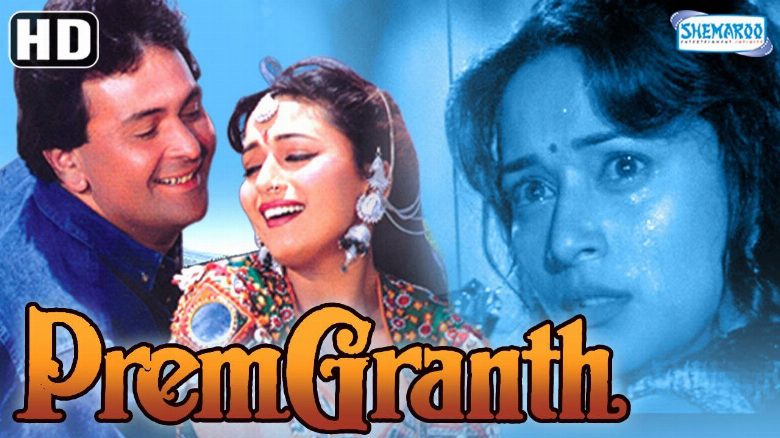
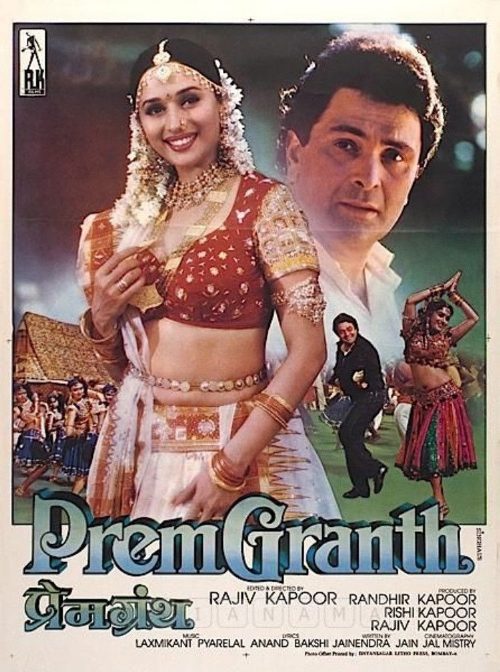
Somen, a rich boy, loves Kajri, a village belle. The lovers get separated and Somen tries to find his lost love.
The 1996 Hindi drama Prem Granth stands as a quintessential artifact of nineties Bollywood, capturing a specific moment in Indian cinema when grand romantic epics were transitioning toward more socially conscious narratives. Directed by Rajiv Kapoor, the film serves as a poignant exploration of love battling the rigid hierarchies and systemic prejudices entrenched in rural Indian society. By focusing on the intense connection between a wealthy young man and a village girl, the production delves into themes of dignity, resilience, and the clash between personal desire and collective tradition. It represents a period where the industry frequently used the framework of a classic love story to critique the harsh realities of caste and class dynamics that often stifled individual freedom.
Madhuri Dixit delivers a performance that anchors the emotional weight of the story, showcasing her ability to transition from lighthearted innocence to profound vulnerability as her character navigates relentless adversity. The ensemble cast, featuring stalwarts like Anupam Kher and Om Puri, adds a layer of gravitas that grounds the film in a gritty, realistic aesthetic despite the inherent romanticism of its premise. Rajiv Kapoor, stepping behind the camera, crafts a visual language that contrasts the luxury of the protagonist’s background with the stark, often unforgiving landscapes of the countryside. This visual dichotomy reinforces the central struggle, highlighting how environment and heritage dictate the trajectories of the lead characters.
Audiences who appreciate the emotional depth and melodic soundtracks common to the mid-nineties era will likely find much to admire here. It is a film for viewers who enjoy character-driven dramas that do not shy away from heavy social commentary, even while maintaining the sweep of a traditional romance. Because it tackles sensitive subjects surrounding the treatment of women and the cruelty of societal gatekeepers, the film maintains a level of intensity that distinguishes it from more whimsical comedies of the same decade. For those interested in the evolution of Hindi cinema, this title serves as a fascinating study of how filmmakers attempted to blend mainstream appeal with narratives that challenged the status quo. It remains a notable entry in the filmography of its lead stars, reflecting the ambition of a creative team determined to push the boundaries of the romantic genre while honoring its established tropes.
Cast(11)