About Rewrite
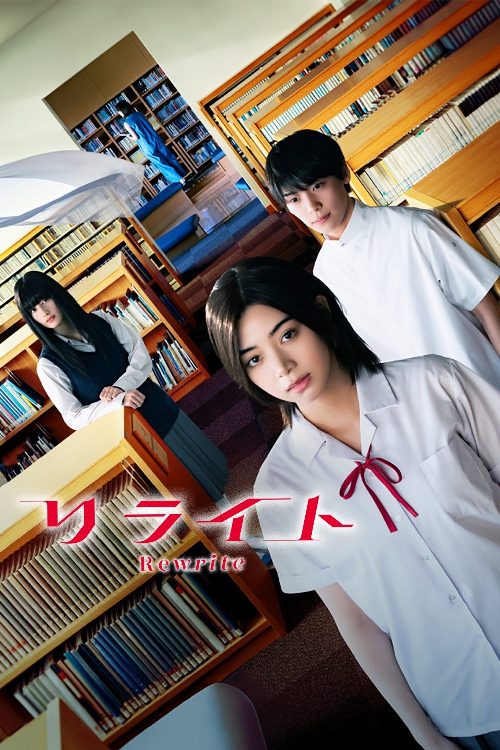
Yasuhiko is a transfer student to a classroom with Miyuki. She barely notices him until he suddenly appears before her in the library. The truth comes out: Yasuhiko is from the future. Bound by this special secret, they become closer and closer. Yasuhiko reveals that this trip is inspired by a book from Miyuki’s era, a book, she later learns from her future self, that she authored. On the day of his departure, Miyuki makes a promise, that she will write that novel to treasure this unforgettable summer, just as her future self says. Ten years later, the book is about to be published. As Miyuki waits to reunite with her past self, nothing happens! Did something go wrong in the past? Are there more secrets to come?
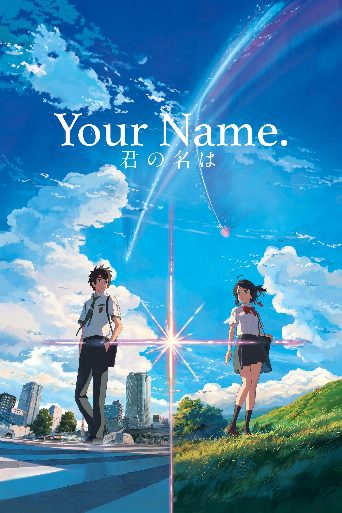
Time travel narratives often lean into high-octane spectacle, yet Rewrite chooses a far more intimate path that mirrors the quiet, introspective storytelling frequently championed in contemporary Japanese cinema. Directed by Daigo Matsui, the film breathes new life into the well-worn trope of temporal displacement by grounding its stakes in the fragile evolution of a teenage bond. Instead of focusing on the mechanics of shifting eras, the story examines the profound weight of memory and the creative impulse that drives someone to document their own life. For fans of the emotional resonance found in hits like Your Name or the whimsical sentimentality of recent Tamil and Telugu magical realism, this film offers a refreshing, grounded perspective on how our past decisions ripple forward to define our adult identities.
The central dynamic between Yasuhiko and Miyuki serves as a delicate exploration of destiny versus agency. By centering the plot on a book that Miyuki is fated to write, the narrative creates a fascinating recursive loop that asks whether our artistic endeavors are sparked by inspiration or by the necessity of preserving our most fleeting experiences. This thematic focus makes the film particularly compelling for viewers who appreciate character-driven mysteries where the puzzle is not just about the timeline, but about the evolution of the self. The casting of Eikichi Ikeda and Elaiza Ikeda provides the necessary groundedness to sell a premise that could easily veer into melodrama, ensuring that the emotional core remains accessible even as the plot layers in questions about the nature of time.
Watching Rewrite feels like peering into a melancholic diary of a summer that never truly ended. It stands out in the current global landscape by rejecting the noise of typical genre blockbusters in favor of a melancholic, atmospheric aesthetic. This approach aligns perfectly with the sensibilities of the modern Asian cinema circuit, where audiences increasingly gravitate toward stories that balance high-concept hooks with deeply relatable human vulnerabilities. Whether you are a dedicated follower of Daigo Matsui or simply someone looking for a thought-provoking romance that lingers in the mind long after the credits roll, this film is positioned as a standout entry in the year’s roster of international dramas. It invites the audience to consider their own personal timelines and the transformative power of the stories we leave behind for our future selves.
Cast(16)














Crew
Director
Casting Director
Screenplay
Assistant Director
Novel
Producer
Director of Photography
Co-Producer
Decorator
Similar Films