About In the Realm of the Senses
A passionate telling of the story of Sada Abe, a woman whose affair with her master led to an obsessive and ultimately destructive sexual relationship.
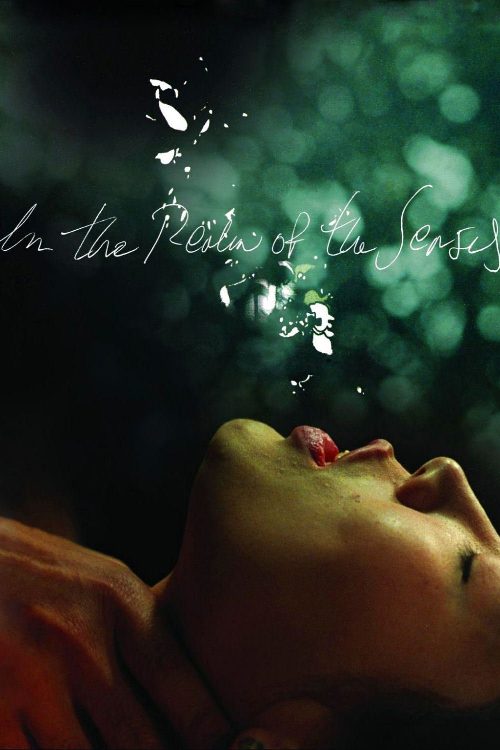
Nagisa Oshima crafted a cinematic earthquake with his 1976 masterpiece, a film that remains a towering pillar of transgressive world cinema. By anchoring the narrative in the historical account of Sada Abe, the director bypasses conventional romantic melodrama to explore the outer reaches of human desire. While modern viewers might be accustomed to the bold storytelling found in contemporary Indian cinema, where directors are increasingly pushing the boundaries of realism in the Malayalam and Tamil industries, this Japanese classic serves as a primordial example of how far an auteur can go when stripping away societal veneers. It is a work that demands a high level of intellectual engagement, functioning less as a standard narrative and more as a raw study of how intimacy can mutate into a totalizing, all-consuming force of nature.
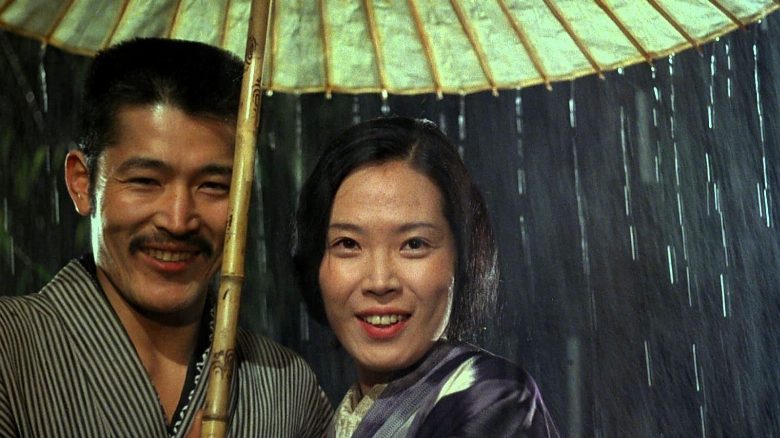
The film operates as a stark antithesis to the polished, song-and-dance spectacles often associated with global commercial hits. Instead, it leans into a minimalist, almost claustrophobic aesthetic that forces the audience to confront the volatile chemistry between its two leads, Tatsuya Fuji and Eiko Matsuda. Their performances are fearless, navigating a territory where the line between liberation and ruin becomes dangerously blurred. For those who appreciate films that challenge the status quo or examine the darker psychological corridors of human relationships, this is an essential viewing experience. It echoes the uncompromising spirit seen in the works of directors who prioritize thematic provocation over mass-market comfort, making it a natural touchstone for film students and enthusiasts of world cinema history.
Understanding this film requires acknowledging the seismic shift it caused upon its release, particularly regarding censorship and the depiction of eroticism as a legitimate tool for social critique. Even decades later, its influence can be felt in how filmmakers approach the intersection of politics and private life. It is not a casual watch, but for the discerning viewer who values the evolution of visual language, the film offers a profound, if unsettling, look at the extremes of devotion. Its place in the canon of Japanese cinema is secure, standing as a testament to the bravery of a filmmaker who refused to dilute his vision. For those seeking a narrative that prioritizes psychological depth and historical notoriety, this remains a cornerstone of the art house tradition, proving that cinema can be a mirror for the most dangerous aspects of our collective consciousness.
Cast(23)