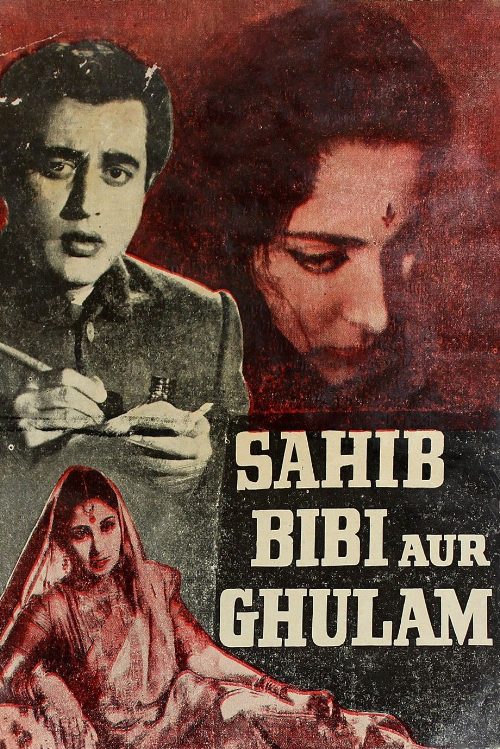
About Sahib Bibi Aur Ghulam
A debauchee Zamindar greatly neglects his wife. The decadence of the Bengali Zamindar milieu in the late 19th century, seen through the eyes of a young upward mobile rustic seeking fortune in Calcutta, fascinated by the lonely lady of the house.
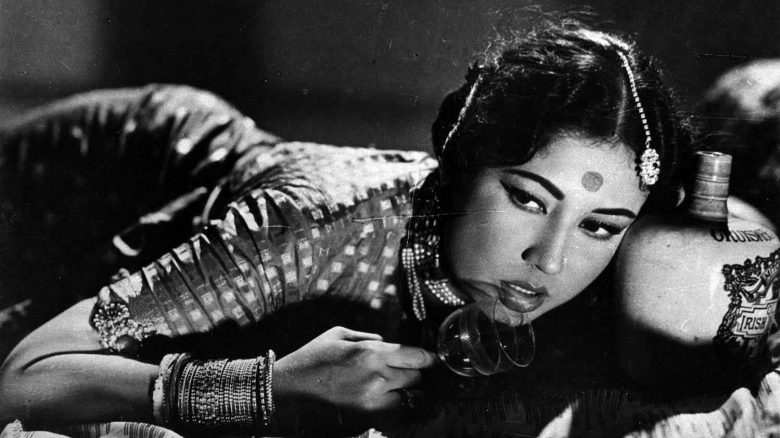
The haunting echoes of a crumbling feudal era reverberate through the frames of Sahib Bibi Aur Ghulam, a cinematic landmark that captures the terminal decline of the Bengali aristocracy with unmatched poetic melancholy. Set against the backdrop of late nineteenth-century Calcutta, the narrative transcends the typical period drama by functioning as a poignant character study of isolation and longing. The story unfolds through the perspective of a naive outsider who witnesses the slow decay of a once-opulent mansion, where the opulence of the past masks a deep, systemic rot. This film remains a masterclass in atmospheric storytelling, utilizing shadows and silence to emphasize the emotional confinement of its central figures, particularly the neglected wife whose yearning for affection becomes a tragic obsession.
Within the landscape of Hindi cinema, this production is celebrated for its uncompromising commitment to aesthetic detail and thematic depth. It occupies a unique space in the golden age of Indian film, moving away from the exuberant musical tropes of its peers to explore the darker, more introspective corners of human desire. The performance of Waheeda Rehman is particularly noteworthy, as she breathes life into a woman trapped by societal expectations and the indifference of a husband lost to vice. Her portrayal serves as the emotional anchor, grounding the film’s grand historical setting in a relatable, painful vulnerability that continues to resonate with contemporary audiences. The direction displays a rare precision, balancing the grandeur of the Zamindari lifestyle with the intimate, claustrophobic reality of a marriage devoid of warmth.
Viewers who gravitate toward atmospheric dramas and period pieces that prioritize mood over spectacle will find much to admire here. It is an essential watch for those interested in the evolution of Indian storytelling, offering a glimpse into a vanished world through a lens that is both critical and deeply empathetic. The film does not merely recount a historical decline but serves as a meditation on the fleeting nature of power and the personal costs of maintaining a facade of prestige. For students of cinema and casual viewers alike, the enduring power of this work lies in its ability to transform a localized historical setting into a universal exploration of loneliness. It stands as a testament to the artistry of its era, marking a high point in the history of Hindi cinema that remains as intellectually stimulating and visually captivating today as it was upon its original release.