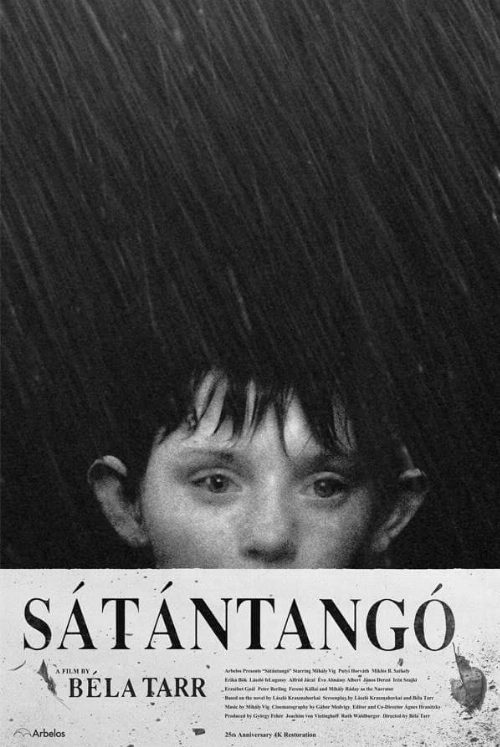
About Satantango
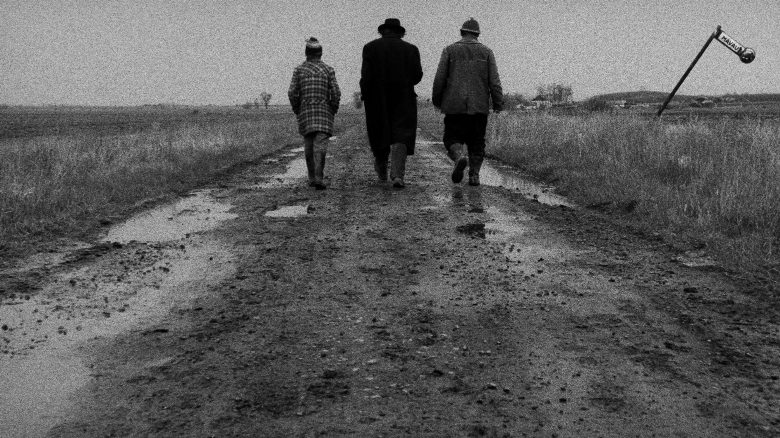
Inhabitants of a small village in Hungary deal with the effects of the fall of Communism. The town's source of revenue, a factory, has closed, and the locals, who include a doctor and three couples, await a cash payment offered in the wake of the shuttering. Irimias, a villager thought to be dead, returns and, unbeknownst to the locals, is a police informant. In a scheme, he persuades the villagers to form a commune with him.
Bela Tarrs magnum opus Satantango remains a monumental achievement in world cinema, standing as a stark departure from the fast-paced commercial storytelling often found in contemporary Indian industry giants. While viewers accustomed to the high-octane spectacles of Telugu or Hindi cinema might find the deliberate pacing of this seven-hour Hungarian epic challenging, it serves as a profound masterclass in atmospheric tension and visual storytelling. The narrative unfolds within a decaying collective farm where the closure of the local factory has left the residents stranded in a cycle of stagnation and broken promises. This setting mirrors the existential dread often explored in the more somber corners of Malayalam parallel cinema, where the environment itself becomes a character, dictating the psychological deterioration of those trapped within its borders.
The story hinges on the unexpected reappearance of Irimias, a figure presumed lost to history, whose return acts as a catalyst for a desperate and misguided communal scheme. By examining the collapse of collective structures following the dissolution of state systems, the film captures a universal human vulnerability that resonates even today. It is a work of immense patience, demanding that the audience sits with the silence and the mud, rather than rushing toward a resolution. This is not a film for those seeking an easy escape, but rather for cinephiles who appreciate the slow-burn intensity seen in the works of directors like Adoor Gopalakrishnan or Mani Ratnam when they delve into the complexities of human dependency and betrayal.
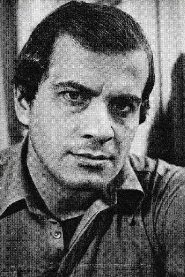
For those curious about the boundaries of the medium, this experience is essential viewing. It strips away the artifice of traditional editing to reveal the raw fabric of life in transition, highlighting how easily hope can be weaponized by those with manipulative intent. The performance of Mihaly Vig, both as an actor and the architect of the haunting score, adds a layer of depth that anchors the sprawling runtime. Whether you are a regular follower of international arthouse movements or a student of film history, this piece captures a haunting intersection of politics and individual morality. It remains a towering pillar of European cinema, persistently challenging its viewers to reconsider the relationship between time, memory, and the persistent human desire to believe in a savior even when the evidence points toward ruin.
Cast(20)