About White God
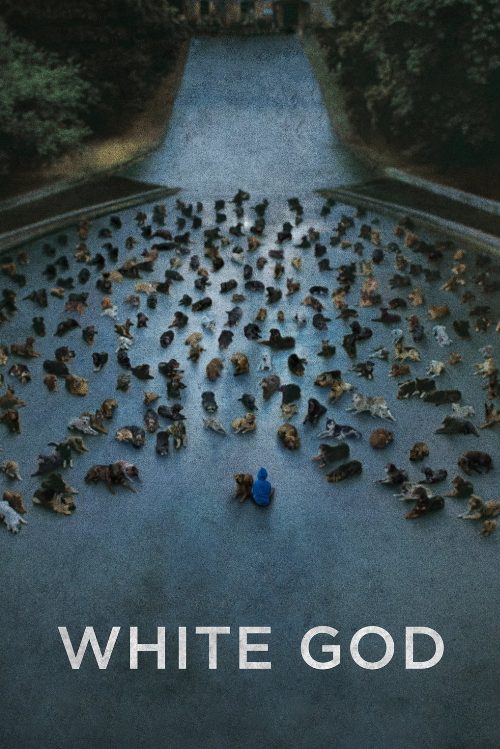
13 year old Lili fights to protect her dog Hagen, and is devastated when her father sets Hagen free on the streets. Still innocently believing love can conquer any difficulty, Lili sets out to save her dog. Failing in his desperate efforts to find his beloved owner, Hagen joins a canine revolt leading a revolution against their human abusers.
Kornel Mundruczo delivers a visceral cinematic experience with White God, a Hungarian drama that transcends the typical boundaries of the animal-human bond narrative. By placing a discarded canine at the center of a harrowing social allegory, the film moves away from sentimental pet stories and instead explores the dark machinery of prejudice and systemic cruelty. The story follows a young girl named Lili who is forced to navigate a rigid adult world after being separated from her loyal companion, Hagen. While she embarks on a desperate search through the urban sprawl, the film shifts its perspective to the streets, documenting the harrowing transformation of a displaced animal into a symbol of collective resistance. It is a bold, uncompromising work that uses the plight of its four-legged protagonist to mirror the fractured state of contemporary society.
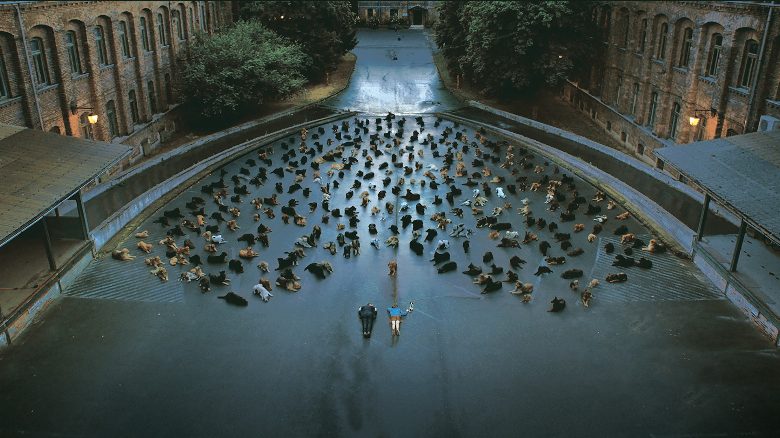
The production is particularly notable for its technical ambition, specifically the way it manages to capture complex, high-stakes sequences involving hundreds of trained dogs without relying on heavy digital artifice. This commitment to practical filmmaking gives the onscreen turmoil an authentic, gritty texture that is rarely seen in modern thrillers. Within the landscape of European art-house cinema, White God occupies a unique space, blending the emotional resonance of a coming-of-age drama with the tense, pulsating energy of an uprising. Mundruczo demonstrates a masterful command of tone, ensuring that the audience feels the weight of the moral decay surrounding the characters long before the narrative tension reaches its breaking point.
Viewers who appreciate films that challenge the status quo through metaphor will find much to admire here. It is an ideal pick for those who enjoy social critiques like Rise of the Planet of the Apes or the biting satire of Yorgos Lanthimos, as it demands the viewer to confront uncomfortable truths about power, hierarchy, and the consequences of institutional neglect. Those drawn to the recent surge in global cinema that experiments with genre conventions to tell deeply personal stories will likely find this work both intellectually stimulating and emotionally exhausting. Attila Mokos and the rest of the cast provide grounded performances that anchor the more surreal elements of the plot, ensuring that the humanity of the story remains intact even as the situation spirals into chaos. Ultimately, this film is a haunting reminder of how those who are treated as outcasts eventually find the strength to demand a voice, making it a powerful addition to any serious cinephile’s watchlist.
Cast(45)