The Seventh Brother(1995)
About The Seventh Brother
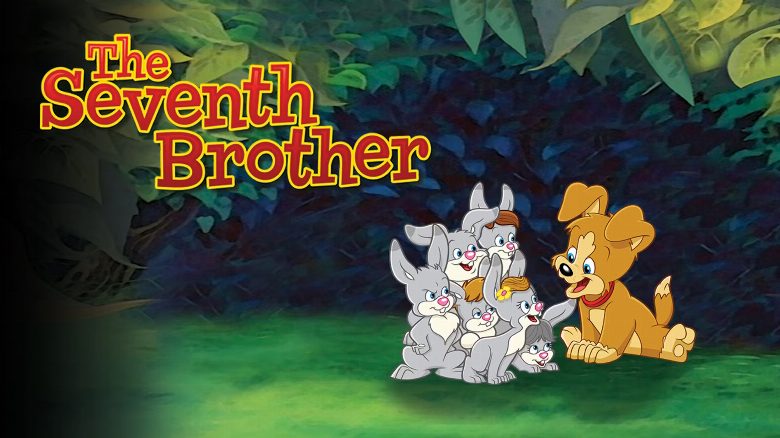
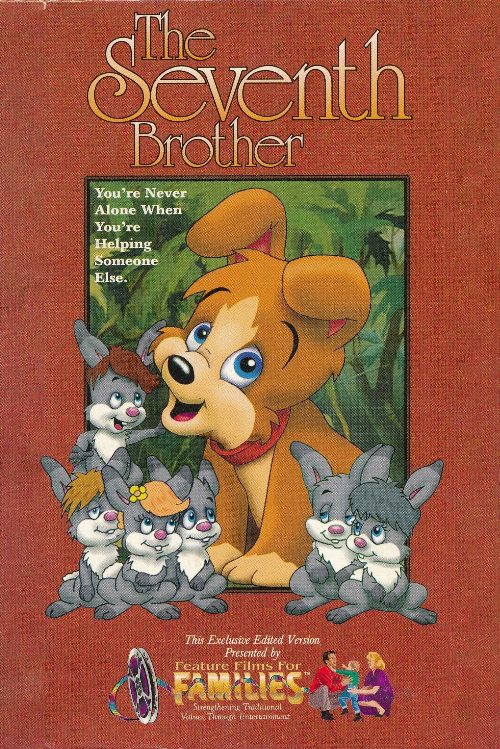
After his owners abandon him in the woods, a puppy befriends a family of rabbits.
The Seventh Brother occupies a nostalgic corner of international animation history, serving as a reminder of how non-Hollywood studios once captured the hearts of global audiences through hand-drawn storytelling. Released in the mid-nineties, this Hungarian production transcends its simple premise to explore themes of belonging, identity, and the unconventional family units that often form when traditional bonds are severed. By centering the narrative on a displaced puppy seeking refuge within a rabbit burrow, the film taps into a universal longing for acceptance that resonates just as strongly with modern viewers as it did during its initial run. For those who appreciate the aesthetic charm of traditional cell animation, the film offers a visual journey that feels refreshingly tactile compared to the hyper-polished digital landscapes of contemporary cinema.
In the context of the global animation landscape, this feature stands out for its earnest, fable-like quality, which sits comfortably alongside the sentimental, character-driven storytelling often found in regional Indian cinema. While Indian film industries are currently thriving with high-octane blockbusters, there remains a deep-seated appreciation for narratives that highlight the importance of communal support and the transcending of species-based barriers. The Seventh Brother functions as a gentle, heartfelt bridge between cultures, focusing on the emotional growth of its protagonist rather than relying on the frantic pacing that defines much of today’s family entertainment. It is a quintessential pick for audiences who enjoy stories about unlikely friendships, evoking the same sense of warmth found in classic animal-centric dramas that prioritize heart over spectacle.
The film is particularly well-suited for families looking to introduce younger viewers to international animation that eschews the typical formulaic tropes of major studio releases. Its enduring appeal lies in the sincere vocal performances and the deliberate, unhurried pacing that allows the audience to fully immerse themselves in the forest setting. Whether viewed through the lens of animation history or simply as a comforting piece of storytelling, the movie retains a quiet dignity. It remains a testament to the idea that a compelling narrative does not require massive budgets or complex CGI, but rather a clear, empathetic vision that honors the perspective of its smallest characters. For anyone seeking a break from the modern cinematic noise, this Hungarian classic provides a soothing, meaningful experience that highlights how the search for home is a truly borderless endeavor.
Cast(17)