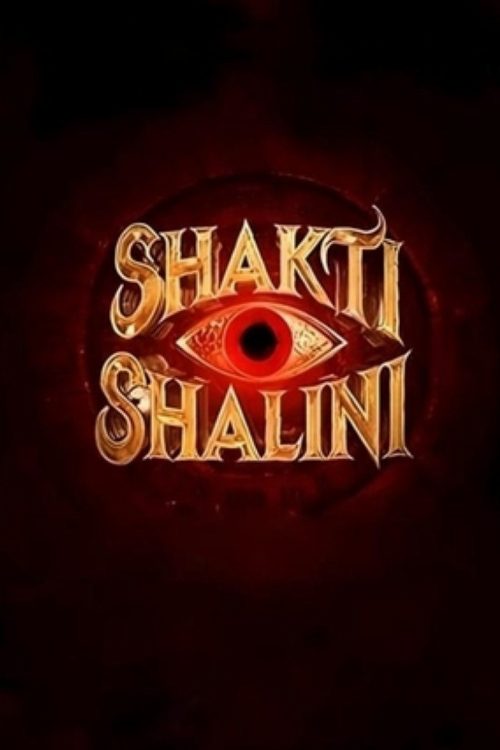
About Shakti Shalini
Blending the macabre with a sharp sense of humor, Shakti Shalini arrives as a bold experiment in the evolving landscape of contemporary Hindi cinema. Director Ajitpal Singh, known for his ability to handle nuanced storytelling with visual flair, shifts gears here to navigate the tricky terrain where terror meets wit. The premise centers on a haunting atmosphere that refuses to take itself too seriously, relying on the chemistry between Randeep Hooda, Aneet Padda, and Vishal Jethwa to anchor a narrative that balances supernatural dread with comedic timing. By moving away from the gravity of his previous work, Singh taps into the current audience appetite for genre-bending experiences that offer a respite from conventional dramatic tropes.
This film represents a significant moment for the Hindi film industry, which has been increasingly receptive to experimental horror comedies that challenge traditional genre boundaries. While the market has seen a surge in supernatural thrillers, Shakti Shalini distinguishes itself through its focus on character-driven comedy rather than relying solely on jump scares. The inclusion of Randeep Hooda, an actor frequently celebrated for his intense, transformative performances, adds an intriguing layer to the project. His presence suggests a depth of character work that is often absent in lighter genre fare, pairing effectively with the kinetic energy of Aneet Padda and Vishal Jethwa. The regional cinematic climate is currently favoring stories that blend folklore with modern sensibilities, and this production appears perfectly positioned to capitalize on that trend by grounding its ghostly elements in relatable human interactions.
Viewers who enjoy films that juggle multiple tones without losing their thematic core will likely find this a compelling watch. It is designed for those who appreciate a narrative that can pivot from a genuinely unsettling moment to a punchline without breaking its internal logic. The project feels like a deliberate attempt to refresh the horror-comedy template by prioritizing atmosphere and performance over formulaic tropes. Given the creative trajectory of the team involved, the film seems set to offer a distinct flavor of entertainment that feels both fresh and accessible. For those following the evolution of mid-budget Hindi cinema, this release serves as an essential case study in how directors are successfully merging disparate genres to reach a wider, more demanding viewership that craves originality alongside traditional thrills.