About Spring Flow
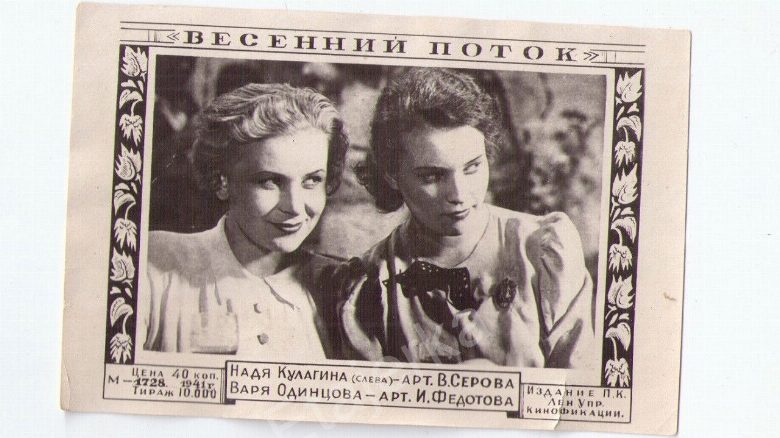
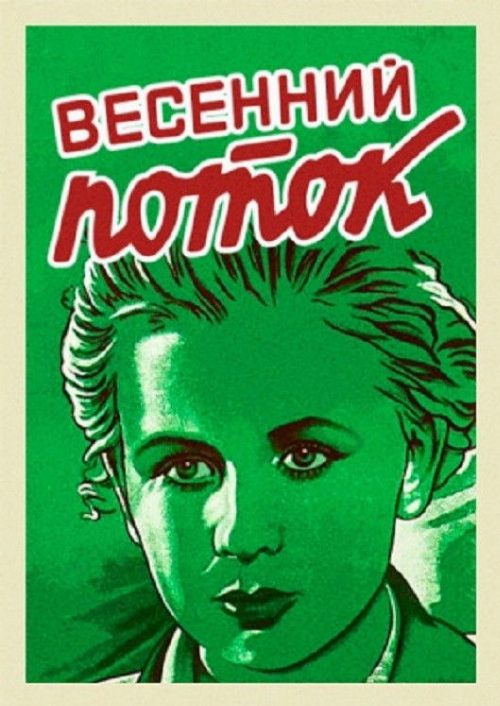
After graduation, Nadia Kulagina comes to work in a school where she once studied. After her appearance, the most hopeless student Dimka Lopatin, who was even wanted to be expelled from school, becomes one of the best students and a faithful friend of the new class teacher.
The cinematic landscape of 1940 Soviet drama is often defined by grand political narratives, yet Spring Flow offers a refreshingly intimate look at the transformative power of personal mentorship within the classroom walls. By focusing on the delicate rapport between a novice educator and a student on the brink of academic ruin, the film carves out a niche in the family genre that feels remarkably grounded. For those who appreciate the evolution of the teacher-student trope seen in global cinema, this production captures a specific era of optimism where professional dedication was expected to mend the social fabric. It stands as a poignant reminder that even in a highly structured educational environment, the human element of empathy remains the most potent tool for intellectual growth.
The narrative arc centers on the homecoming of Nadia Kulagina, who returns to the halls of her own childhood education to embark on her career. The central conflict arises from the presence of Dimka Lopatin, a pupil characterized by his persistent detachment and academic struggle. While contemporary audiences might draw parallels to inspirational dramas from the Indian film industries, such as the nurturing dynamics often explored in recent Hindi or Tamil educational films, Spring Flow operates with a distinct stillness and focus on psychological development. It moves away from the melodrama that often characterizes modern school-based stories, favoring instead a slow-burn exploration of how one individual can alter the trajectory of another through patience and unexpected friendship.
This film is an essential watch for cinephiles interested in the historical progression of pedagogical stories and the portrayal of the Soviet intelligentsia during the mid-twentieth century. The performances, led by Nadezhda Kovalyova, provide a steady anchor for the story, ensuring that the emotional stakes feel earned rather than forced. Its appeal lies in its simplicity and its refusal to rely on high-octane spectacle, positioning it as a contemplative piece for viewers who enjoy character-driven arcs. As a historical artifact, it serves as a bridge between the didactic storytelling of its time and the more nuanced, character-focused family dramas that would later become a staple of world cinema. By highlighting the subtle shifts in a student's attitude rather than relying on heavy-handed moralizing, the movie remains a quiet yet significant entry in the canon of school-centered narratives.
Cast(15)

Crew
Lyricist
Assistant Director
Production Design
Sound Director
Camera Operator
First Assistant Director
Assistant Camera
Assistant Production Design
Makeup Artist
Similar Films