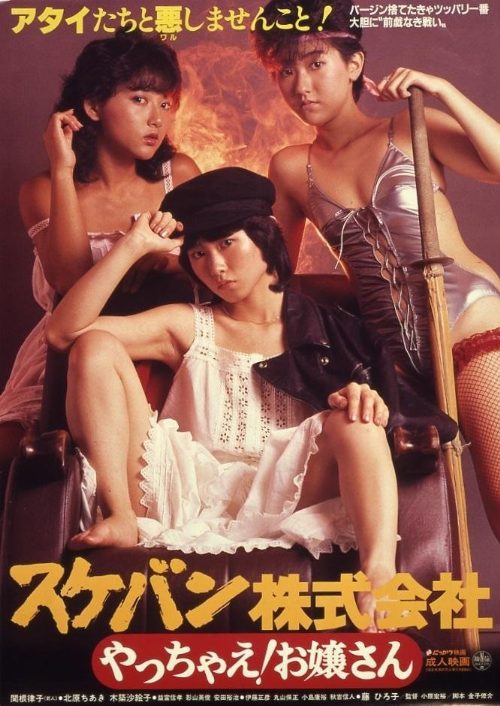
Sukeban Kabushiki-gaisha: Yacchae! Ojôsan(1984)
About Sukeban Kabushiki-gaisha: Yacchae! Ojôsan
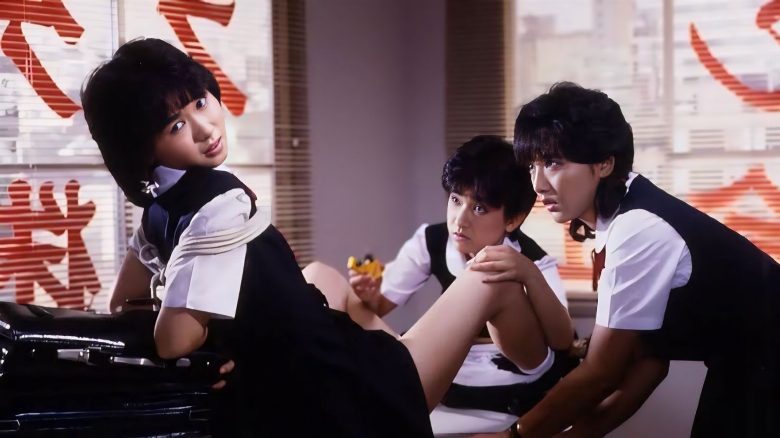
Shoko and Tomoko, who are in their third year of high school, and Nami, a first year, set up Sukeban Co., Ltd. and start their business by arbitrating between biker gangs. Meanwhile, Ryu from the Kumazasa-gumi asks for a prostitute, but Tomoko, who is still a virgin, accepts the request on her own. Next, they get a big job transporting drugs, but...
The landscape of eighties Japanese cinema is often defined by its peculiar fusion of high-octane delinquency and surreal comedic sensibilities, and Sukeban Kabushiki-gaisha Yacchae Ojosan stands as a quintessential artifact of this unique era. Far removed from the polished aesthetics of modern global action hits, the film leans heavily into the cult appeal of the sukeban subculture, where schoolgirls traded textbooks for iron pipes and social hierarchy. By positioning its teenage protagonists as corporate entrepreneurs of chaos, the narrative subverts traditional coming-of-age tropes. Instead of navigating the anxieties of graduation or romance, these characters establish a business venture that serves as a bizarre mediator for warring motorcycle gangs. This premise offers a refreshing look at the exploitation-adjacent comedies that flourished in the Japanese market, providing a distinct contrast to the more serious dramatic fare coming out of the nation’s studios at the time.
For audiences familiar with the high-energy, stylized action seen in contemporary Indian regional cinema, such as the bravado-filled sequences in Telugu or Tamil mass entertainers, this film offers a fascinating historical parallel. Much like the hero-centric scripts that drive the Tollywood box office today, this project thrives on the charisma of its leads, Ritsuko Sekine and her ensemble, who carry the film with a mixture of deadpan humor and reckless bravado. The direction by Koyu Ohara embraces a campy, fast-paced rhythm that keeps the audience engaged, making it an ideal watch for fans of retro grindhouse aesthetics who enjoy seeing societal structures dismantled by unlikely heroes. While the plot involves gritty elements like syndicate disputes and illicit transport, the tone remains firmly rooted in an irreverent, punk-infused comedy style.
Viewers who enjoy the genre-bending nature of 1980s Japanese cult classics will find plenty to appreciate in this chaotic business venture. The film is perfectly suited for those who appreciate the campiness of the decade, where the line between serious action and satirical farce is intentionally blurred. It succeeds by refusing to take its own premise too seriously, allowing the absurdity of high schoolers managing underworld operations to drive the momentum. Whether you are a student of international cult cinema or simply looking for a nostalgic trip back to an era when Japanese action movies were at their most experimental and bold, this entry remains a notable highlight in the career of the cast and a testament to the creative freedom of the period.
Cast(11)








Crew
Editor
Director of Photography
Screenplay
Lighting Director
Producer
Director
Development Producer
Art Direction
Songs
Similar Films