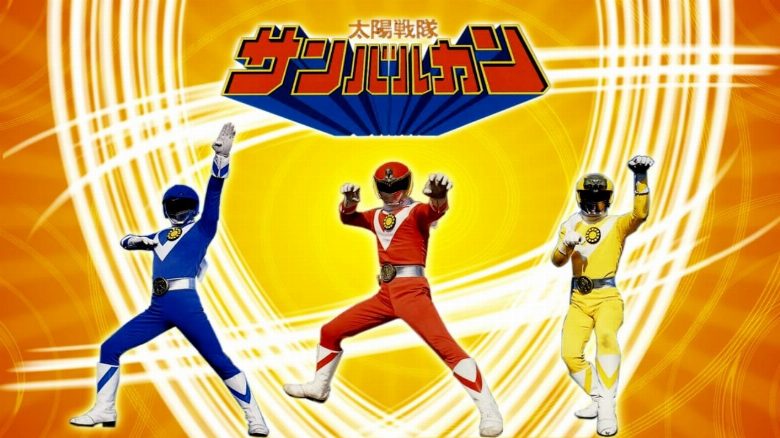
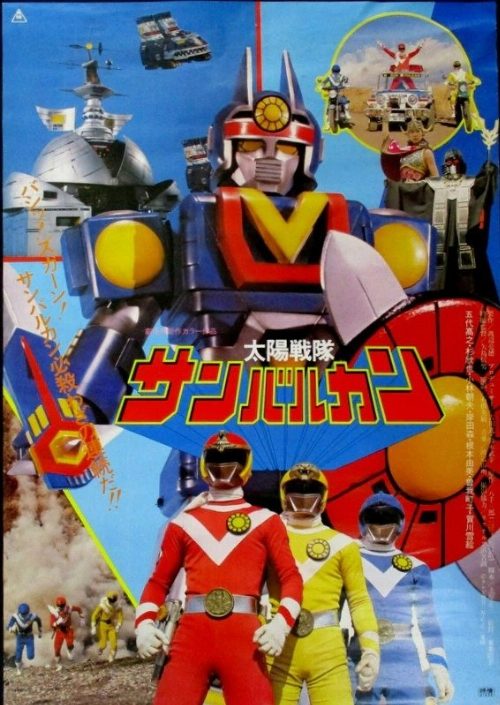
Taiyo Sentai Sun Vulcan: The Movie(1981)
About Taiyo Sentai Sun Vulcan: The Movie
A Sun Vulcan movie was released on July 18, 1981 at the Toei Manga Festival. It takes place some time after episode 23. In it Black Magma decides to separate Hiba from his teammates while plotting to blow up Tokyo with hidden bombs.
Stepping back into the vibrant landscape of early eighties tokusatsu cinema, Taiyo Sentai Sun Vulcan: The Movie serves as a quintessential artifact of the golden era of Japanese superhero television. While many modern viewers associate the genre with the sprawling, interconnected cinematic universes seen in contemporary Indian blockbusters, this production offers a concentrated burst of high-stakes action that defined the style for a generation. By capturing the essence of the television series during its mid-season peak, the film functions as a self-contained mission that highlights the relentless camaraderie of the Sun Vulcan team against the backdrop of an urban threat. It is a fascinating study in minimalist storytelling, where the stakes are elevated through rapid pacing rather than prolonged exposition, a technique that remains influential in the fast-paced editing styles frequently observed in today's high-octane Tollywood and Kollywood action sequences.
The narrative hook revolves around a calculated attempt by the antagonistic Black Magma organization to isolate the team leader from his cohorts, a trope that functions as a masterclass in tension building. For fans of Indian regional cinema who appreciate the classic hero versus villain dynamic, this film provides an accessible and thrilling experience that prioritizes physical choreography and practical effects over modern computer-generated spectacle. The central conflict, involving the threat of concealed explosives across the city, creates a ticking-clock atmosphere that forces the protagonists to balance individual survival with the safety of the populace. This focus on teamwork and sacrifice resonates deeply with themes found in pan-Indian hero-centric films, where the protagonist often stands as the singular barrier between society and total destruction.
Audiences who enjoy the nostalgic charm of practical stunt work and retro production values will find much to admire here. The performances from the ensemble cast anchor the fantastical elements in a grounded, earnest tone that was characteristic of the Toei Manga Festival era. Rather than attempting to reinvent the genre, the film leans into the strengths of its television predecessor, offering a polished extension of the established lore that rewards dedicated followers while remaining straightforward enough for casual viewers to jump into. It stands as a significant piece of broadcast history, representing a time when the gap between the small screen and the movie theater was bridged by pure, unadulterated excitement. Whether one is a seasoned scholar of global superhero media or simply a curious viewer looking for a vintage adventure, this feature captures the infectious energy of a classic struggle against darkness.
Cast(23)