About Taj Mahal
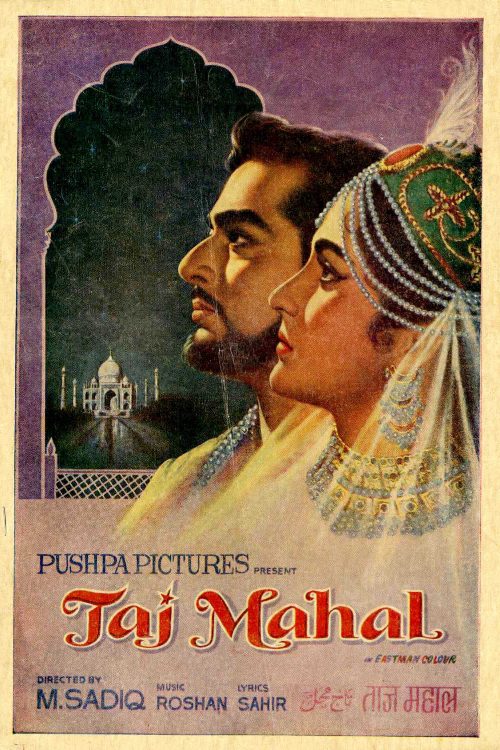
Based on the historical legend, this commercially successful film delves into the context of why Mughal emperor Shah Jahan built the Taj Mahal in fond remembrance of his wife, Mumtaz Mahal.
Stepping into the golden era of Hindi cinema, Taj Mahal arrives as a sprawling cinematic tapestry that transforms the historical architectural marvel into a deeply emotional human experience. Directed by M. Sadiq, the production leans into the grandiosity expected of mid-century period dramas, yet it manages to keep the intimate pulse of its central romance at the forefront. By focusing on the profound connection between the Mughal emperor and his beloved wife, the film navigates the intersection of courtly intrigue and timeless devotion, offering a lavish glimpse into a bygone royal epoch. It stands as a prime example of how the Indian film industry during the 1960s balanced historical weight with the musical sensibilities that defined the period, creating an aesthetic that feels both scholarly and intensely romantic.
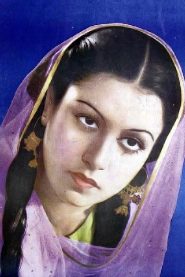
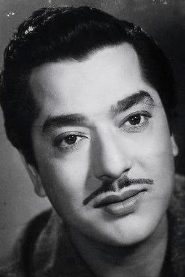
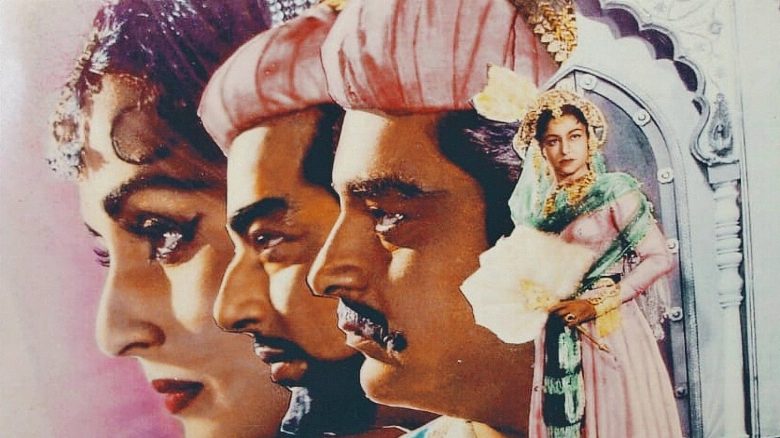
The film relies heavily on the screen presence of Pradeep Kumar and Bina Rai, whose portrayals anchor the narrative amidst the opulent backdrop of Mughal courts. The project is positioned as a definitive exploration of the legendary saga, meticulously crafting a visual language that mirrors the grace of the monument itself. For modern audiences who appreciate the evolution of Bollywood, this piece serves as a foundational text that established the template for historical epics. The storytelling avoids the trap of becoming a dry history lesson, instead opting for a heightened, poetic reality where music and dialogue coalesce to elevate the emotional stakes of the emperor's quest to immortalize his love.
Viewers who enjoy the sweeping, traditional aesthetics of vintage Indian cinema will find this work particularly compelling. It is an essential watch for enthusiasts of classic Hindi film music and those intrigued by the dramatic representations of India’s dynastic past. While the film operates within the conventions of its time, its enduring legacy lies in its ability to humanize figures who are often viewed only through the lens of stone and marble. As a centerpiece of 1963 cinema, the movie captures a specific moment when the industry was perfecting the art of the prestige period piece, making it a significant milestone for students of film history and casual fans of grand, star-studded romances alike. Its legacy persists not just in its depiction of a world-famous landmark, but in its earnest attempt to translate the grief and passion of a ruler into a language that audiences can feel across the generations.