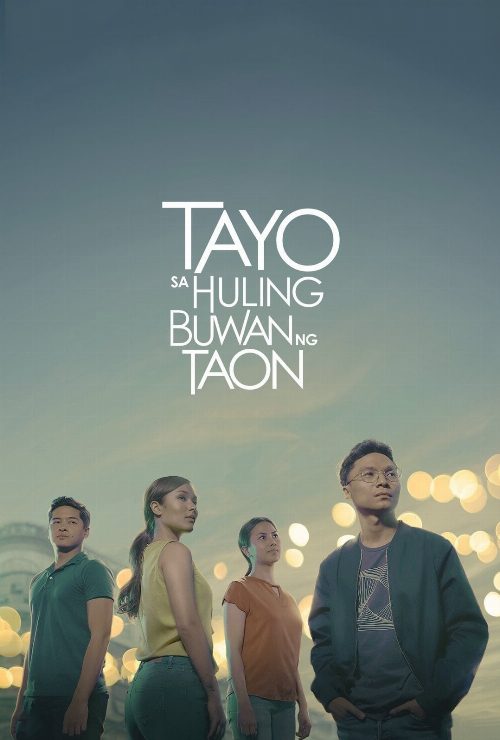
Tayo Sa Huling Buwan Ng Taon(2019)
About Tayo Sa Huling Buwan Ng Taon
Five years after their break-up, ex-lovers turned friends Sam and Isa attempt to find their own selves in the realm of their respective romantic relationships. What they discover instead is pain and uncertainty as they come to terms with their feelings for each other and everyone around them.
The passage of time often acts as a deceptive filter, smoothing over the jagged edges of past heartbreak until we believe we have fully moved on. Tayo Sa Huling Buwan Ng Taon operates on this delicate premise, exploring the lingering echoes of a former romance that refuse to fade completely. Set against the backdrop of contemporary Filipino life, the narrative follows two individuals who have managed to construct separate lives after their split, only to find their carefully curated stability threatened by the unpredictable nature of human connection. Unlike many cinematic romances that focus on the initial spark, this film chooses to examine the long, complicated shadows cast by a relationship that ended years ago. It is a quiet study of intimacy that resonates with anyone who has ever wondered if the people we leave behind are ever truly gone.
The film distinguishes itself by avoiding the grand gestures and melodramatic confrontations that frequently define the genre, opting instead for a grounded and melancholy realism. This focus on the internal turbulence of its protagonists makes it a standout entry in the landscape of modern Philippine independent cinema, a sector that has been increasingly successful at portraying nuanced emotional landscapes. Director Nestor Abrogena manages to balance the quiet desperation of his characters with a sharp observational eye, ensuring that the audience feels the weight of every unspoken word. For fans of character-driven dramas who appreciate a story that prioritizes psychological authenticity over plot twists, this film offers a refreshing, albeit bittersweet, experience. It captures the specific discomfort of bumping into a past version of oneself, reflected back through the eyes of a former partner.
Given the current global interest in Southeast Asian storytelling, this work provides a compelling look at the universality of longing and the difficulty of finding closure in a hyper-connected world. The cast delivers performances that are notable for their restraint, grounding the script in a sense of palpable vulnerability. By focusing on the messy, non-linear progression of healing, the movie avoids easy answers and instead invites the viewer to sit with the complexity of adult relationships. Those who have followed the evolution of Philippine indie dramas will find this to be a sophisticated addition to the canon, one that trusts its audience to navigate the gray areas between friendship and lingering affection. It is a contemplative piece of filmmaking that lingers in the mind long after the final frame, serving as a poignant reminder that while we may walk away from our past, we are rarely finished with it.