About The Detective Fencer
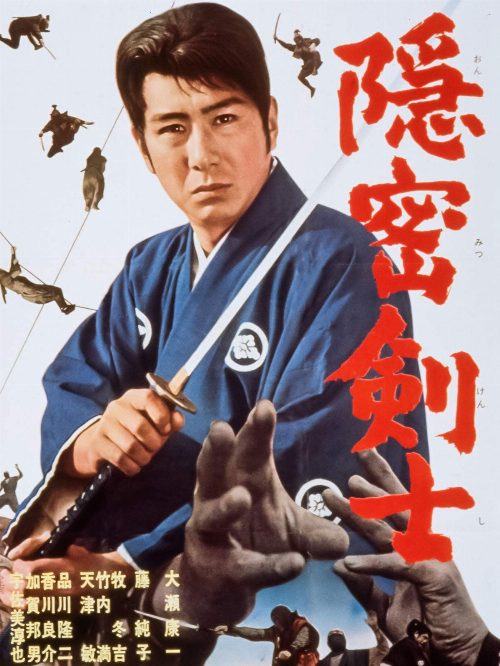
Young swordsman Shintaro must fight against evil officials who plot to overthrow the youthful Shogun.
The cinematic landscape of mid-sixties Japan was defined by a restless energy, and The Detective Fencer stands as a quintessential artifact of that high-octane era. While modern audiences often associate Japanese period pieces with the somber, philosophical weight of masters like Kurosawa, this specific production leans into the breathless pace of adventure serials. It follows the journey of a skilled blade-wielder named Shintaro who finds himself navigating a treacherous web of political corruption. The central conflict involves a clandestine conspiracy by corrupt authorities aimed at destabilizing the leadership of a vulnerable young ruler. By focusing on the intersection of investigative mystery and kinetic swordplay, the film carves out a distinct niche that bridges the gap between historical drama and the pulp excitement of the decade.
For fans of Indian cinema, particularly those who appreciate the high-stakes action dramas often found in the Telugu and Tamil industries, this film offers a fascinating cross-cultural parallel. Much like the heroic archetypes prevalent in regional Indian hits where a lone protagonist stands against institutional rot, Shintaro serves as the moral compass in a world devoid of justice. The narrative structure mirrors the classic formula of a righteous outsider challenging the establishment, a theme that remains timeless across global borders. Viewers who enjoy the stylized combat sequences and rigid codes of honor found in classic samurai cinema will find the choreography particularly engaging, as it emphasizes agility and precision over the grit seen in later, more cynical genre entries.
The cast, led by Kunio Kaga, brings a sense of earnest urgency to the proceedings that elevates the material beyond a standard studio programmer. The direction captures the tension of the era, utilizing tight framing to emphasize the isolation of the protagonist as he uncovers the layers of the plot. This movie is tailored for enthusiasts of retro action who value atmospheric set designs and character-driven stakes. It effectively captures the spirit of a period when Japanese studios were experimenting with faster editing and more dynamic camera movements to keep pace with changing international tastes. Ultimately, the work serves as a window into a bygone style of storytelling that favored clear-cut morality and thrilling escapades, making it a worthy addition to the watchlist of anyone interested in the evolution of the action genre.
Crew
Lighting Technician
Director
Original Story
Screenplay
Director of Photography
Sound Recordist
Original Music Composer
Editor
Similar Films